
US 101 US: First-Year Seminar
To graduate from MSU, every student is required to take a core University Seminar (US) course. You can review the list of University Seminar Courses on the Provost's webpage.
Why choose US 101US- First Year Seminar as your US Core?
- US 101 focuses on the transition from high school to college level learning, especially engaging first-year students as critical thinkers.
- This class is ideal for both the decided and undecided major students. It will provide a framework for those who want help with the transition to college, while also overviewing strategies to meet the rigors of college level academic work. Most importantly, it will provide students a space where they are the focus, and they can explore new experiences, ideas, and challenges, while interacting with their peers and guided by experienced faculty.
- The classes are held in groups of 16-18 students to allow for a discussion-focused
format. Academic readings and writing assignments are incorporated to challenge students
to explore their own ideas, beliefs, and assumptions. Speaking assignments boost students'
self-confidence and help them become college-level communicators of their ideas.
- For more info on the course requirements, please review our US 101 Course Curriculum Page.

- The semester begins with readings focusing on the transitional aspects of college
and progress into more challenging material that is meant to broaden students' mindsets
as burgeoning adults. Readings and topics can change each academic year. In recent
years, readings and discussions related to MMIWG, diversity, and social justice have
been a cornerstone of US 101.
- For more information on this semester's readings, please review our US 101 Readings List Page.
- Throughout these readings and assignments, personalized interaction with US 101 faculty, staff, peer mentors, and fellow students will help you understand the responsibilities and rewards that are part of a university education. The US 101 faculty is dedicated to student success and facilitating the transition and learning process via classroom time and one-on-one meetings.
- Research has shown that first-year seminar courses significantly enhance students' ability to succeed in college. The course is also designed to convey the excitement and possibilities of the learning experience at MSU.
If you would like more information about the course, please call or send us an e-mail.
Why are University Seminar (US) Core Courses required?
- They are primarily intended for first-year students throughout all curricula to provide a platform for collegiate level discourse.
- Activities that hone written and oral communication skills are universally incorporated, but themes represented in individual US core courses vary considerably to reflect the department or program from which the course originates.
- All US core courses are small in size and rely heavily on seminar-style teaching where course content is delivered by discussion and interaction rather than by lecture. This learning environment promotes vibrant interactions between first-year students, a faculty member, and in many courses, a more experienced student fellow or peer leader.
- US core courses provide a venue where students can enjoy rigorous academic discussions that promote critical thinking, learning, and understanding in a supportive and truly collegiate manner.
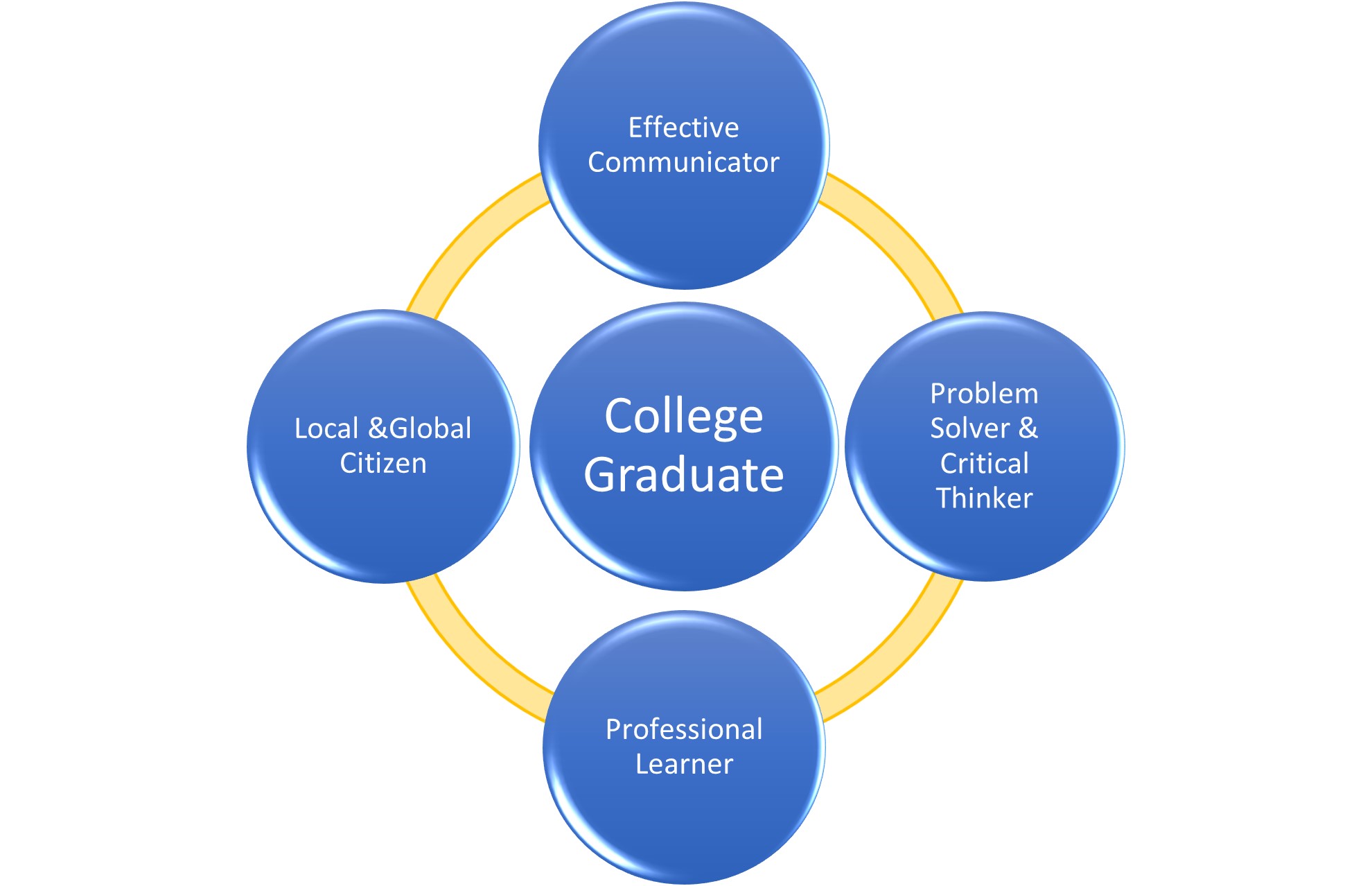
Through completion of the US Core students will engage with the MSU Core Learning Outcomes, and they will become:
- Effective Communicators, using written, spoken, and visual communication to express ideas, create meaning, build relationships, foster understanding, and persuade.
- Problem Solvers and Critical Thinkers, who use relevant evidence, gathered through scholarly and disciplinary methods to reach sound conclusions based on logical analysis of evidence and an ethical framework.
- Local and Global citizens, who effectively listen and respond to others, establish respectful relationships, and apply knowledge of diverse cultures, histories, values, and conflicts to better understand the world and people around them.