Montana State University

Department of Earth Sciences

Montana State University
P.O. Box 173480
Bozeman, MT 59717-3480

Tel: (406) 994-3331
Fax: (406) 994-6923
Location: 226 Traphagen Hall

Department Chair

Dr. David Mogk

earth@montana.edu

Department of Earth Sciences

Matthew Fockler PhDc - 4/18/13 MSU-Bozeman, To protect and Preserve: A Historical Geography of Early United States Forest Service Management, Lewis and Clark National Forest, Montana.

Bob Smith - 4/25/13The University of Utah,The Yellowstone Hotspot: Past, Present and Future [4:00 -5:00 pm, SUB Procrastinator Theatre]*<


Please join the Department in welcoming Dr. John Delaney, College of Letters and Sciences Distinguished Speaker who will present a lecture on Thursday, March 7, 2013 at 4 pm in Procrastinator Theater. For more information click here.

Please Join the department of Earth Sciences in honoring 3 of our faculty, Dr. David Lageson, Dr. David Varricchio, and Dr. William Wyckoff at Spring Convocation

Cathy Whitlock, professor of earth sciences and MSU director of the Institute on Ecosystems, was named a Fellow of the American Association for the Advancement of Science (AAAS). This leading scientific organization advances science around the world and across all disciplines. Read More

MSU geology professor heads for Mount Everest A Montana State University geology professor plans to climb Mount Everest this spring, conduct research on the way and share the experience as it happens with classrooms across Montana. Read More...


Positions Hiring for:

Assistant Professor of Geomorphology #12246-2

The department, headed by Dr. David Mogk, has a full-time faculty of 12 earth scientists, geologists and geographers. We have about 50 active graduate students in our Master of Science and Doctor of Philosophy in Earth Sciences programs. Our PhD program was added in Fall 2004. There are 200+ undergraduate majors in the department, divided between geography, geology, geohydrology, gis/planning, snow science and paleontology. Although classes at the freshman/introductory level are typically large, courses in the major from the sophomore level up typically range from 10 to 40 students. Graduate level courses usually enroll 6-20 students.

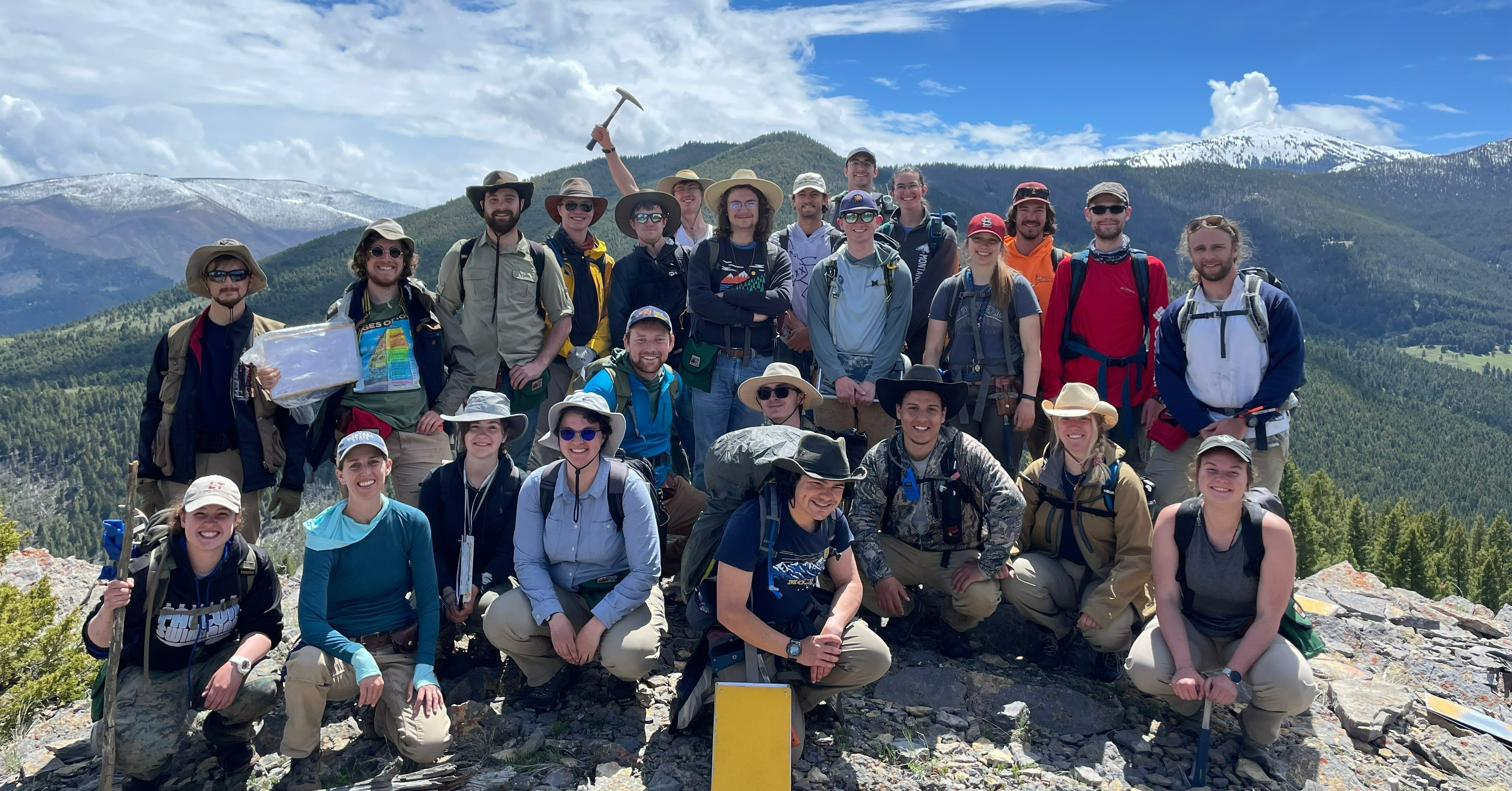
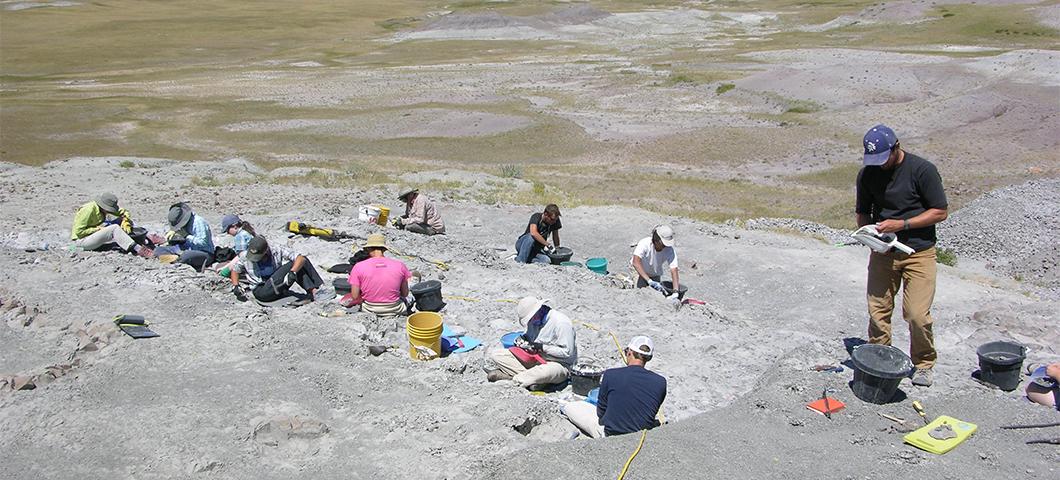
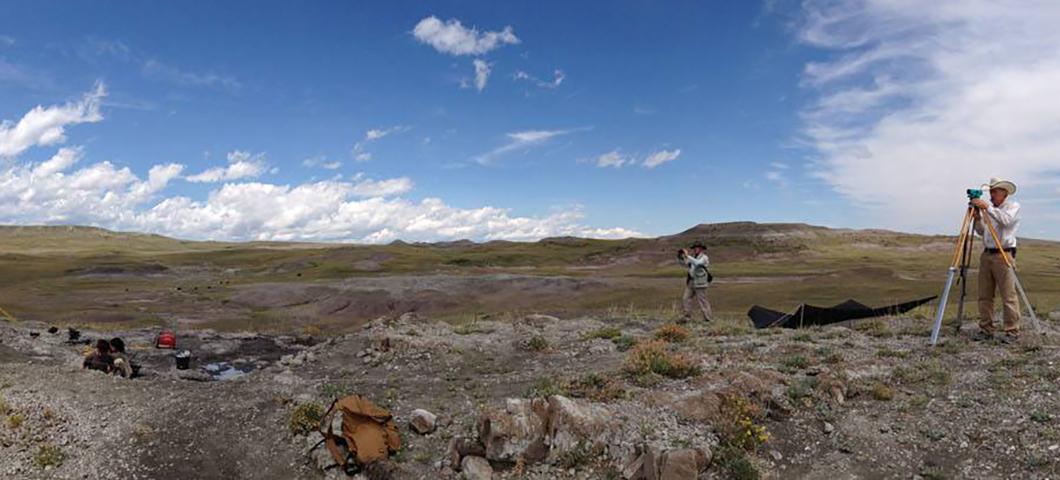
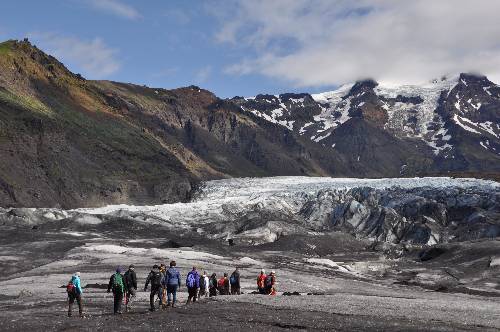
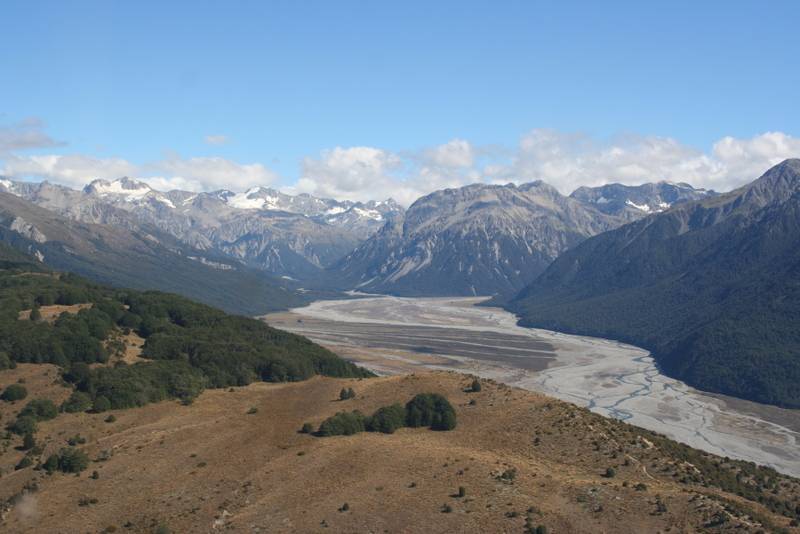
By virtue of our outstanding location in the scenic and rugged mountains of southwest Montana, Earth Science students have many opportunities to participate in field trips that will facilitate the study of earth processes, earth resources, earth history, and environments that people have modified. These field trips are an integral part of many courses, as well as extracurricular activities sponsored by the department. Fieldwork is a very important component of our instructional programs at both the undergraduate and graduate levels.

Because of the research conducted by faculty in the department, an undergraduate student may have the opportunity to work on active research projects. In particular, we offer the opportunity to do a "Senior Thesis" to our top students in each senior class. The senior thesis enables a student to work on an actual research project under the supervision of a faculty member, write a research report (a mini-thesis), and present the results at a professional conference. This is excellent preparation for graduate school and/or the workplace.

Our Master's theses frequently involve field-testing of state-of-the-art hypotheses proposed elsewhere, as well as formulation of the next generation of hypotheses, which will shape our disciplines in the decades to come. Most Master's thesis work in the Department is published in the peer-reviewed professional literature after presentation at regional or national professional meetings.