



Our online drop-in sessions will be back in August. Do you want to schedule an online
meeting?
Send us an email!

Livability has previously ranked Bozeman as one of its Best Places to Live four years in a row, including the #1 best place to live in Montana, calling the city a "tech-savvy, economically vibrant, highly educated city on the grow" with year-round natural attractions.

The prestigious Carnegie Classification of Institutions of Higher Education® ranks Montana State University among the Top 5 public, 4-year universities for Very High Research Activity with a STEM-dominant research doctoral program.
LendEDU has ranked MSU #1 in Outdoor Recreation, due to its proximity to world-class skiing, blue-ribbon rivers for fishing and seemingly endless hiking opportunities, as well as access to rental equipment from the ASMSU Outdoor Recreation Program.
____________________________
____________________________
More than 300 on-campus labs, 44 centers and 7 agricultural research centers offer endless research opportunities.
____________________________
access to outdoor adventure and discovery.

Startup Prowess
The Kauffman Index of Entrepreneurship rated Montana #4 in Startup Activity out of the 25 smaller states and ranked Bozeman #3 in Main Street Entrepreneurship.

Economic Vitality
Bozeman's long-term growth has earned the city recognition as the country's #1 Strongest Micropolitan Economy by Florida-based think tank Policom's annual study.

Nature's Laboratory
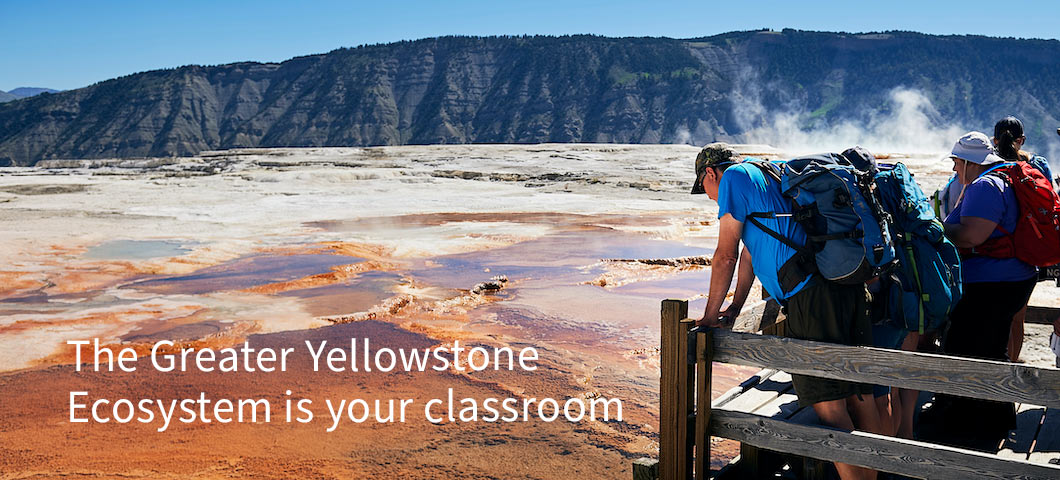
MSU students make Montana, including nearby Yellowstone National Park, their classroom, laboratory and playground.
The Graduate School
Montana State University
P.O. Box 172580
Bozeman, MT 59717-2580
Tel: (406) 994-4145
Toll Free: 1-800-255-7962
Fax: (406) 994-4733
E-mail: [email protected]
Location: 104 Montana Hall
Facebook Instagram Twitter LinkedIn