

Former Speakers & Programs
After more than 20 years of leadership development programing, the MSU Leadership Institute has a long history of bringing inspirational speakers, films, and trainings to the MSU community. Our programs are so much more than mere lectures or trainings. We aim to make each one different and engaging in new and exciting ways. At our programs, participants will find new perspectives and insight into what it is to be a leader.
2024
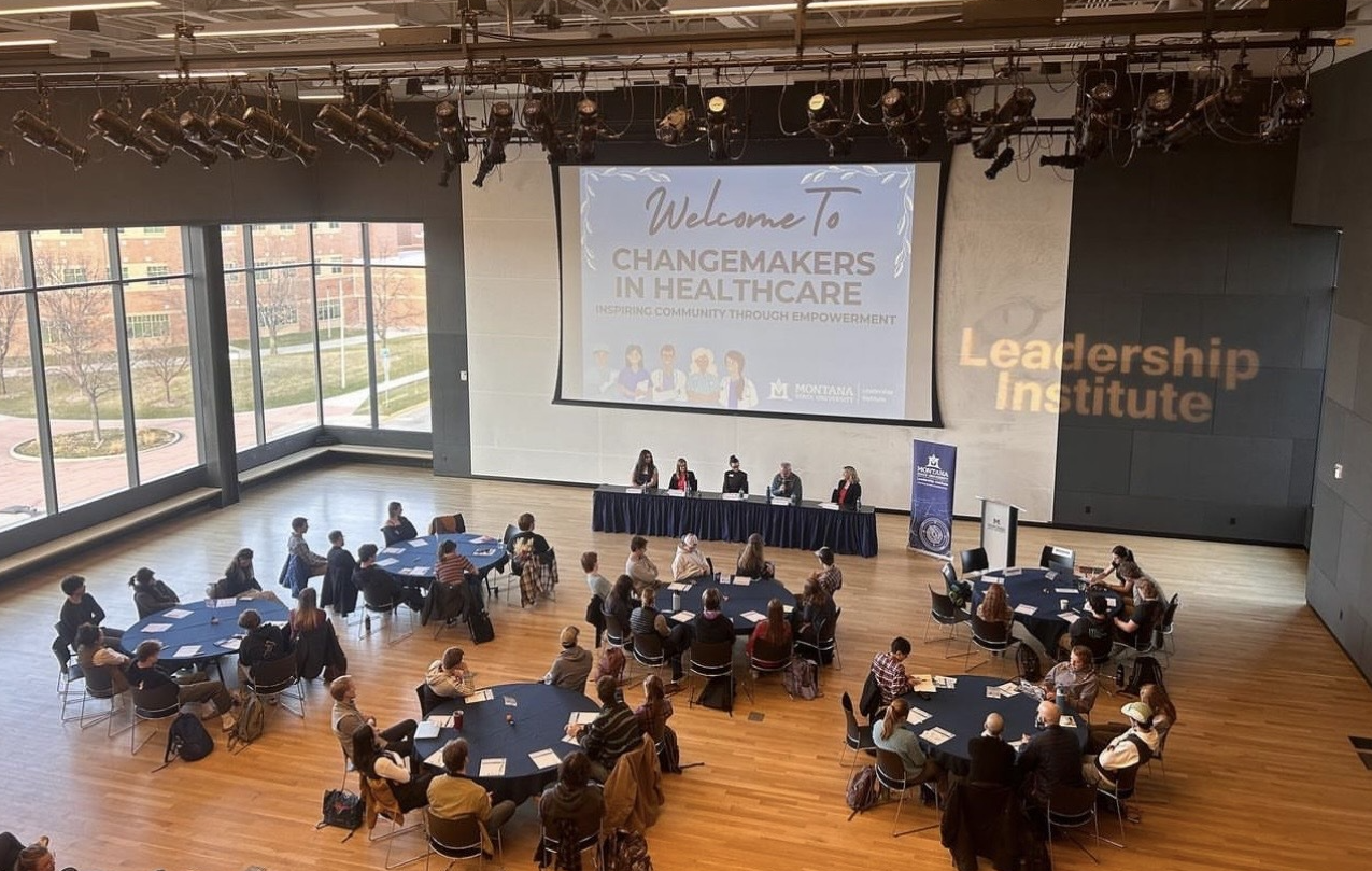
Changemakers in Healthcare: Inspiring Community Through Empowerment
This panelhosted changemakers in the healthcare field from various backgrounds and exploreD the themes of leadership in a healthcare setting and providing equitable healthcare. The panel was moderated by Dr. Sarah Rushing and it feature local leaders Stephanie McDowell, Executive Director of Bridgercare, Dr. Sally Moyce, Founder and Director of Proyecto Salud, Barla Beaudoin, Future WWAMI Med Student, and Sam Mitchell, Continuity care physician.
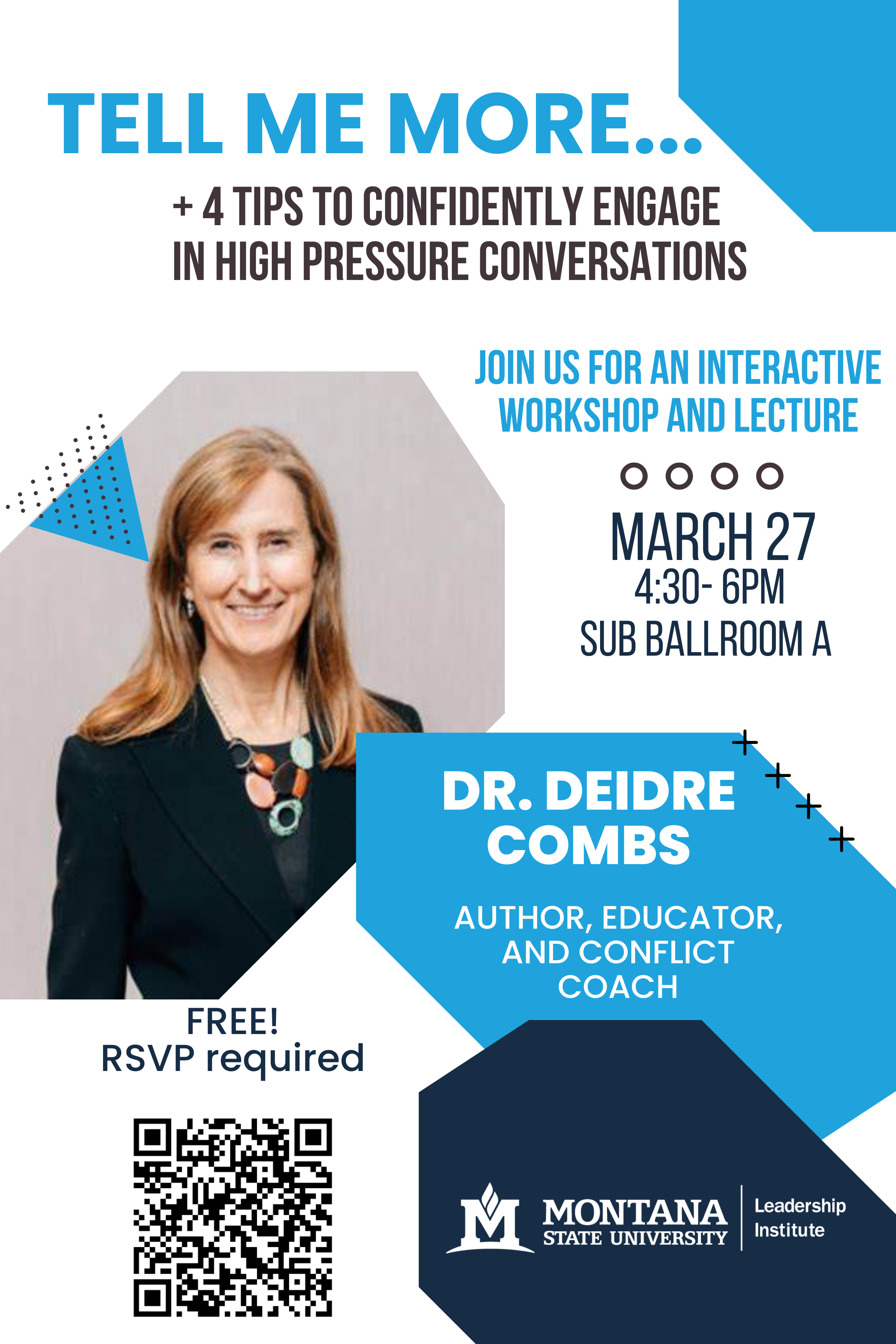
Tell Me More: Tips to Confidently Engage in High Pressure Conversations
Dr. Deidre Combs, author and renowned mediator lead a workshop for students teaching four steps to improve conversational skills in high pressure situations and get more comfortable when addressing sensitive topics.
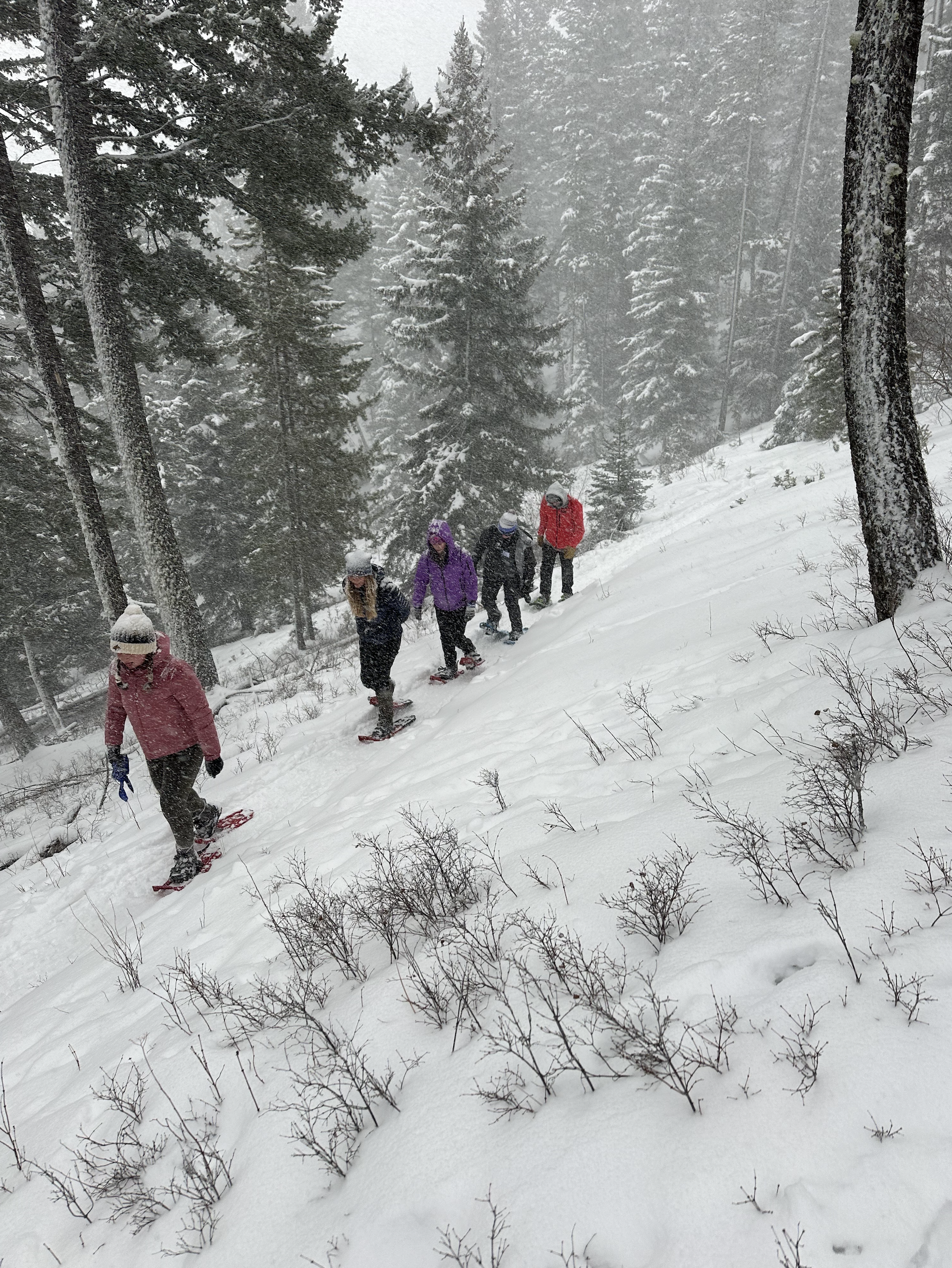
Winter Leadership Summit - Mind Over Matter
This overnight retreat focused on the themes of mindfulness, grit, and leadership. WHICH HELP students motivation, mental perseverance, and focus while having fun and fostering close bonds with their peers. The keynote speaker, Sasha Dingle, is a previous pro free skier turned meditation teacher, and founder and director of Mountain Mind Project. ALSO A FORMER STUDENT ASSOCIATE AT THE LI!
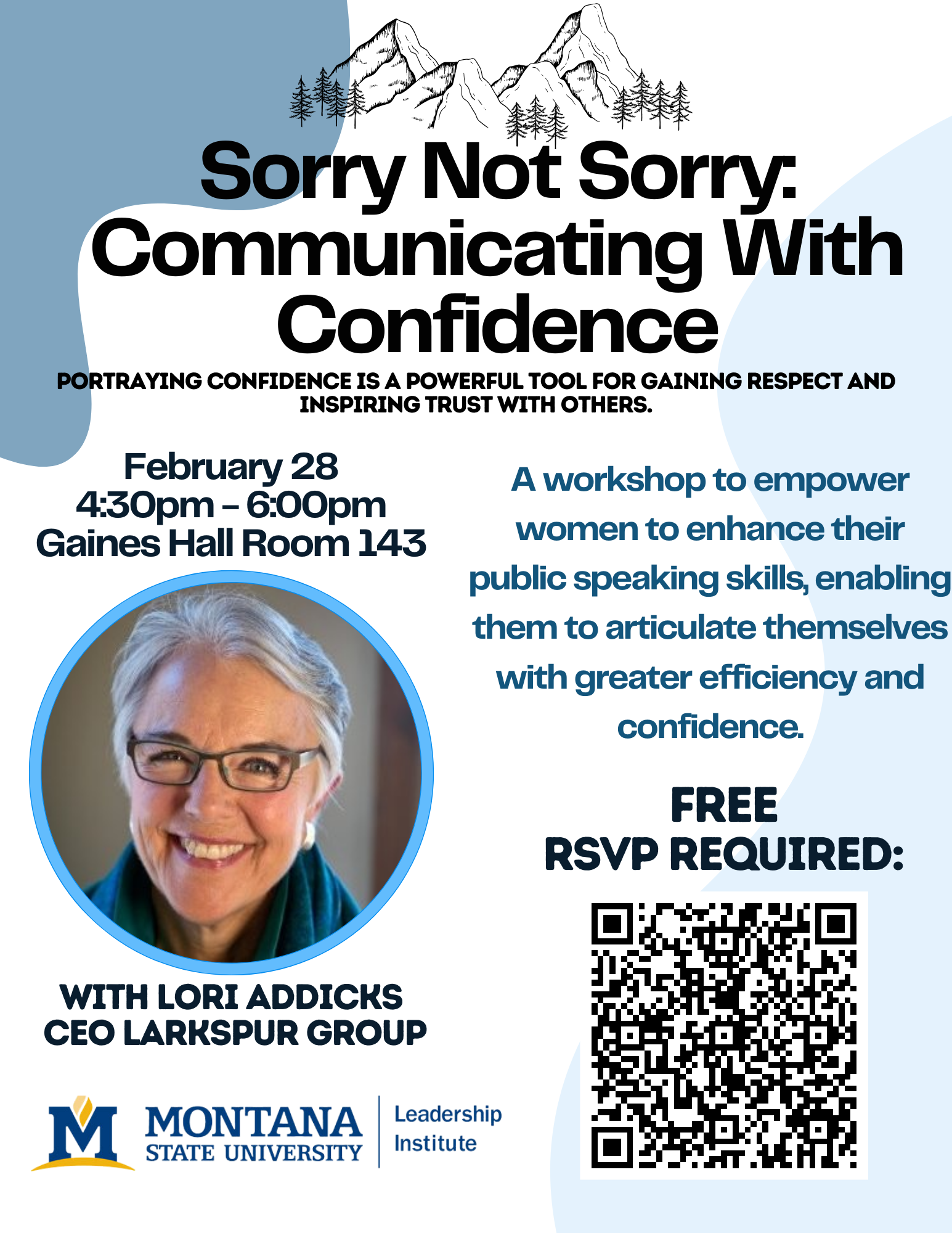
Sorry not Sorry: Communicating with Confidence Workshop
Led by Dr. Deidre Combs an author and renowned conflict coach , this workshop empowered students to enhance their public communication skills, enabling them to articulate themselves with greater confidence and competence. Lori Addicks, shared strategies for overcoming speech habits, and improving voice and body language, all of which can undermine our effectiveness.
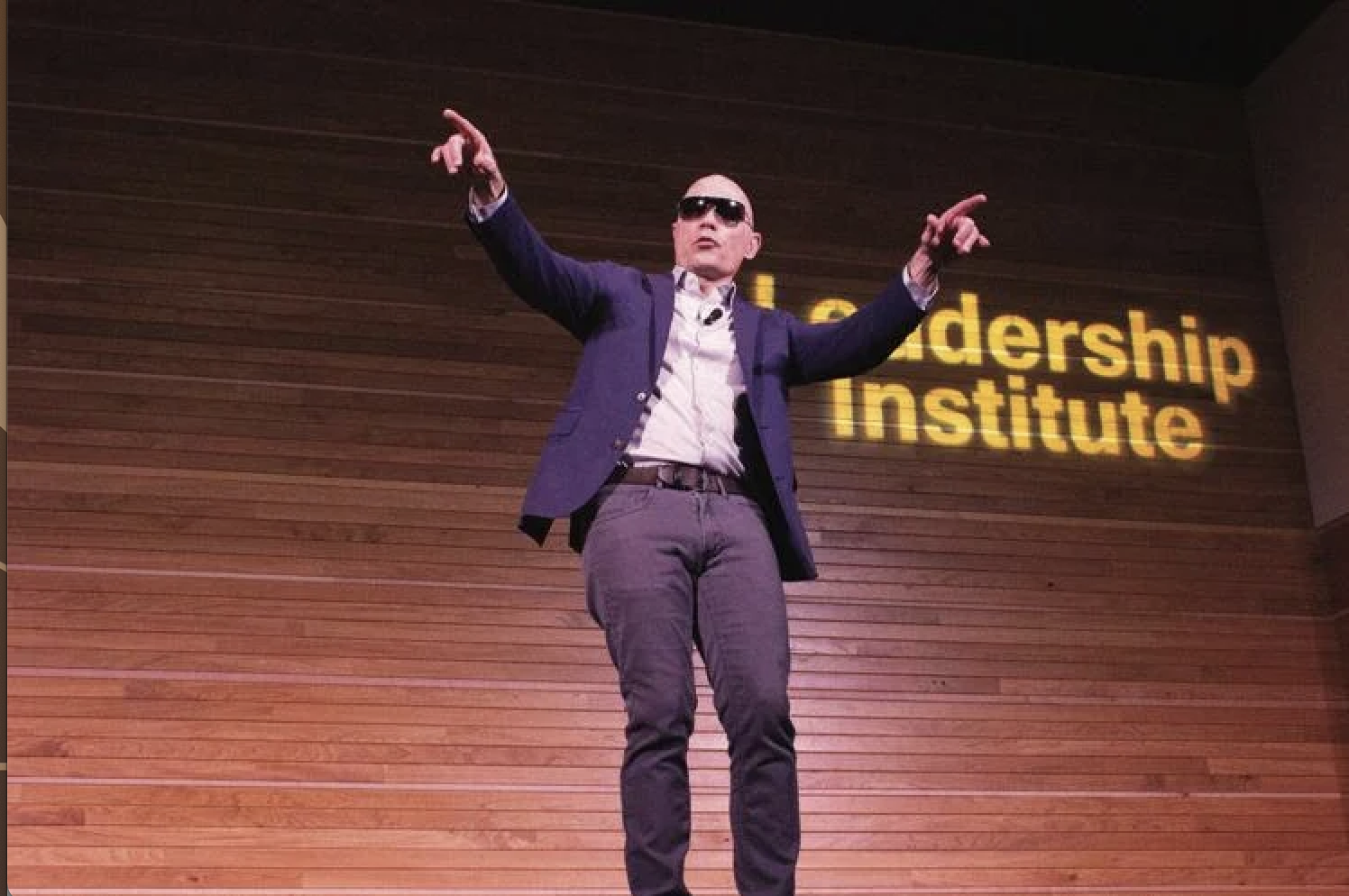
The Humor Habit with Paul Osincup
A workshop focused on how to utilize the power of humor to enhance one’s well-being, resilience, and leadership skills. The facilitator, Paul Osincup, is a Humor Strategist, Author, and Speaker who helps people create more connected, productive, and intentionally positive places to work.
2023
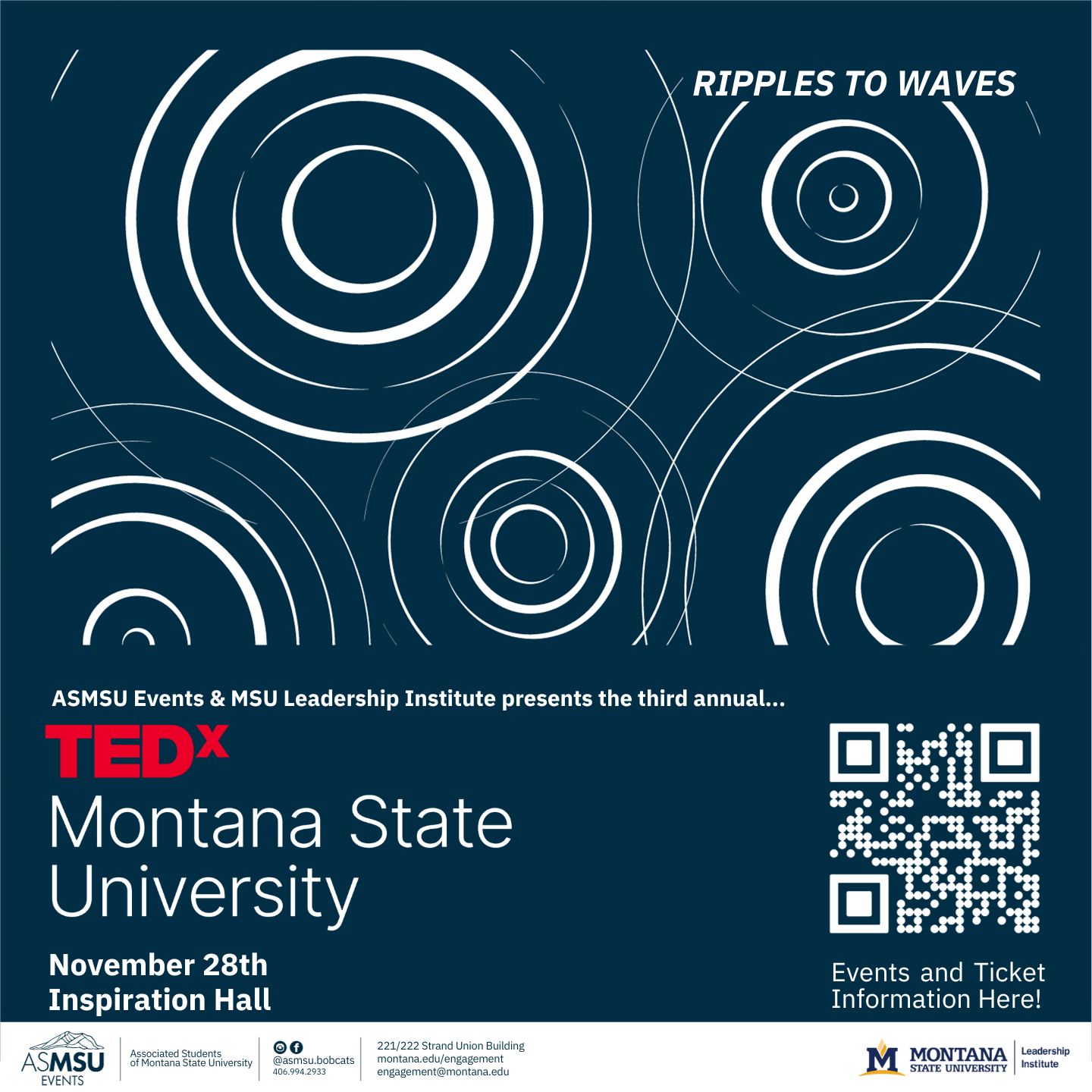
TEDx at Montana State University
In collaboration with ASMSU's events team, we successfully hosted the 2023 TEDx at Montana State University, featuring eight speakers with diverse backgrounds. Two students from the MSU Leadership Institute served as the Masters of Ceremony for the event, which drew an audience of 100 attendees (maximum allowed under contract). The talks delivered during the event covered a range of impactful topics, contributing to a thought-provoking and enriching experience for all participants.
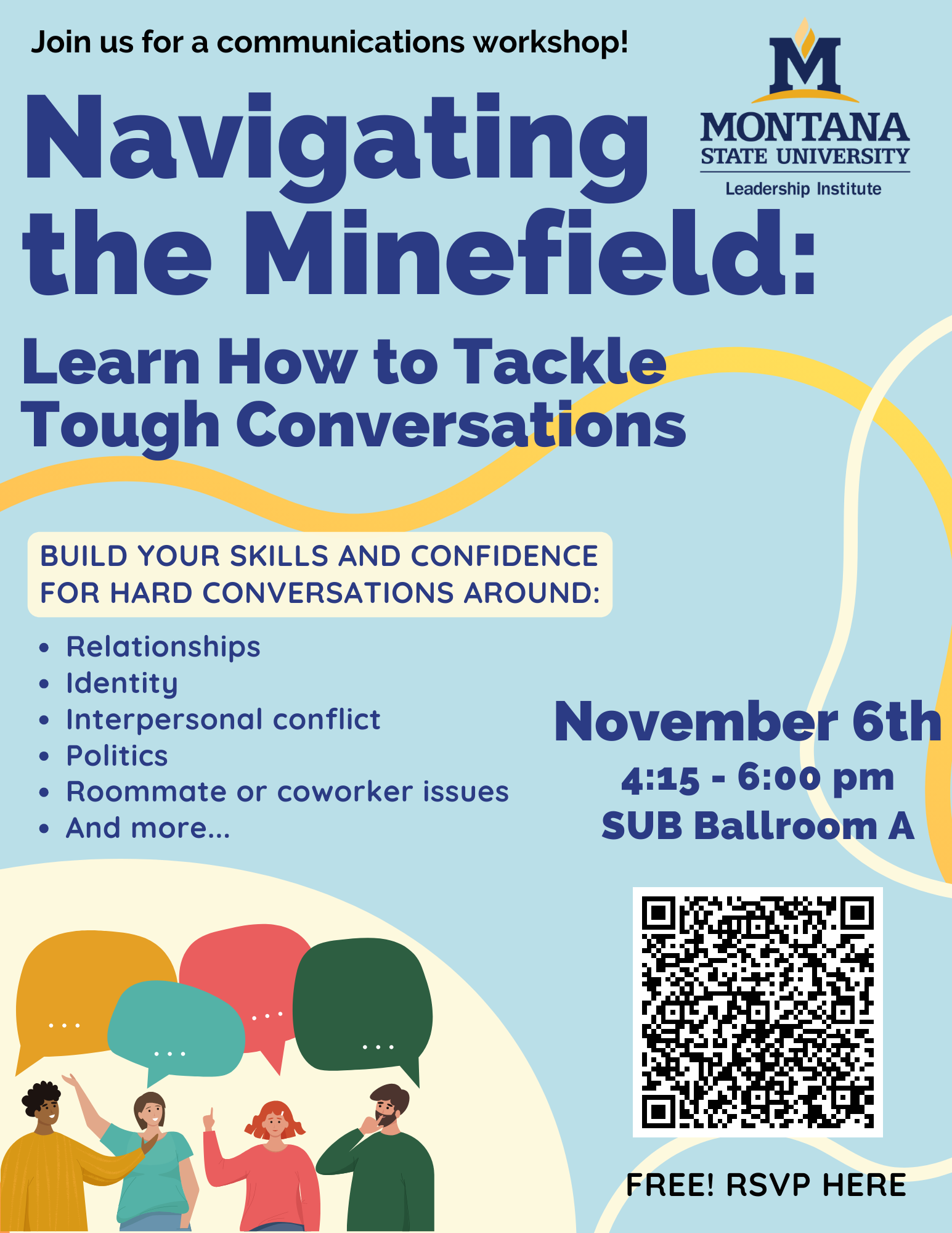
Navigating the Minefield: Learn How to Tackle Tough Conversations
Students took the initiative to organize and facilitate a training session geared towards equipping their peers with skills to navigate challenging conversations. This comprehensive training involved expert leaders from various positions across campus, enhancing the learning experience by reinforcing key points and guiding students through the intricacies of effective communication.
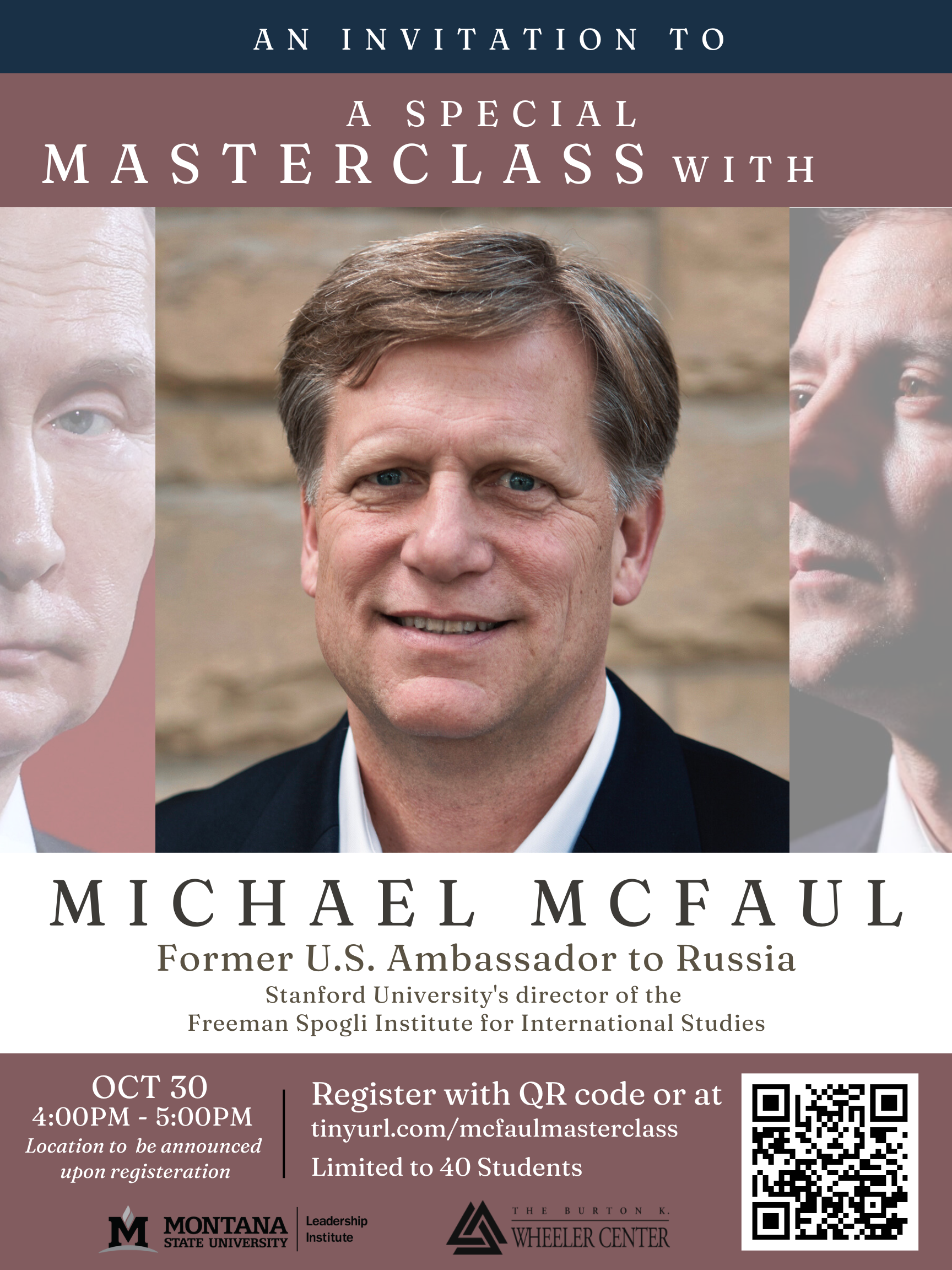
Masterclass with Former U.S Ambassador to Russia Michael McFaul
In collaboration with the B.K Wheeler Center, the student staff orchestrated and facilitated a conversation with former U.S. Ambassador to Russia, Michael McFaul. A select group of MSU students had the unique opportunity to engage in an intimate dialogue with Mr. McFaul, posing questions and benefiting from a firsthand exchange of insights.
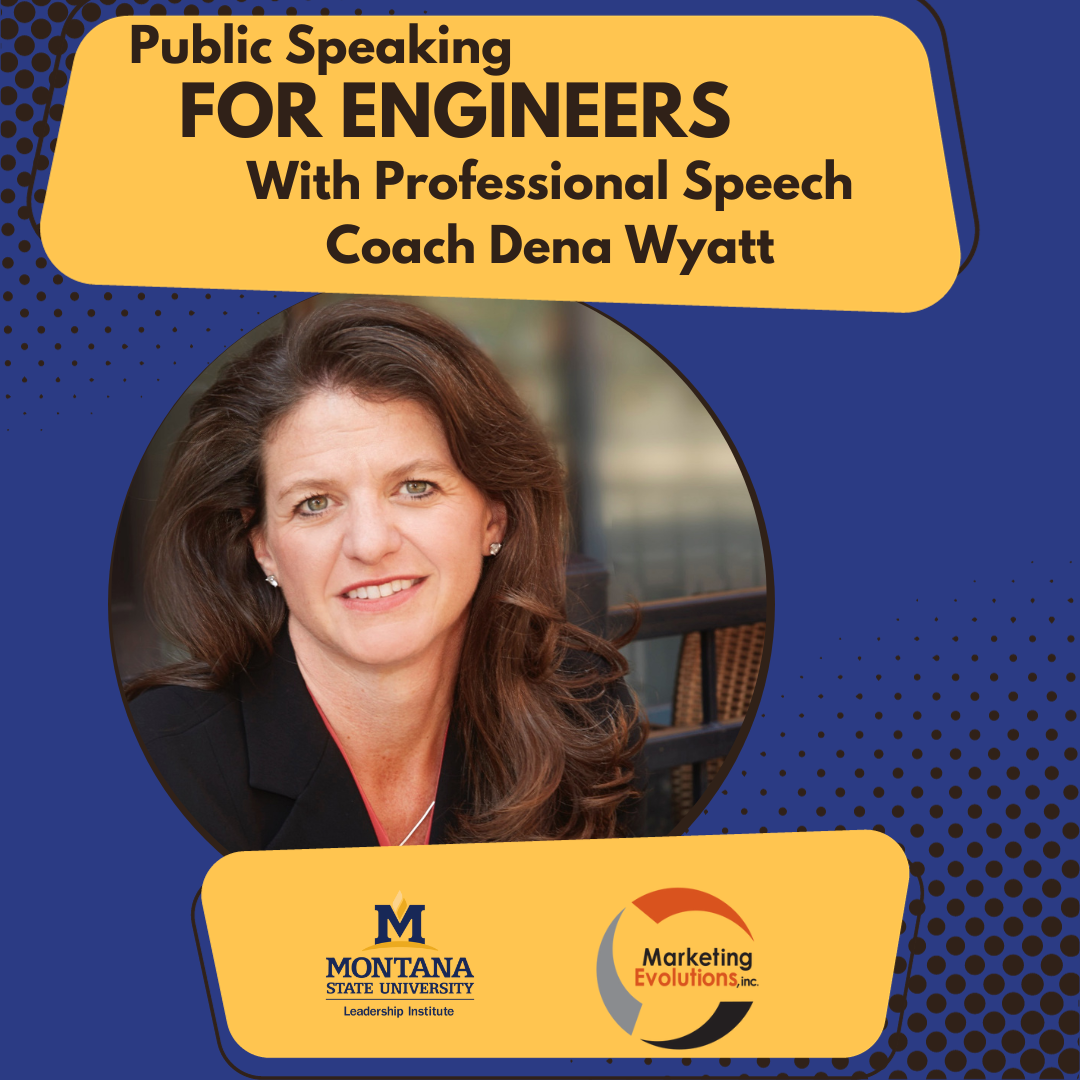
Public Speaking Workshops (2) for Engineers by Dena Wyatt
In collaboration with the Norm Asbjornson College of Engineering, we facilitated two sessions of a specialized public speaking workshop tailored for engineers. Professional speech coach Dena Wyatt conducted the sessions, with the first one being a luncheon exclusively for Women in Engineering, and the second session open to the entire Engineering college.
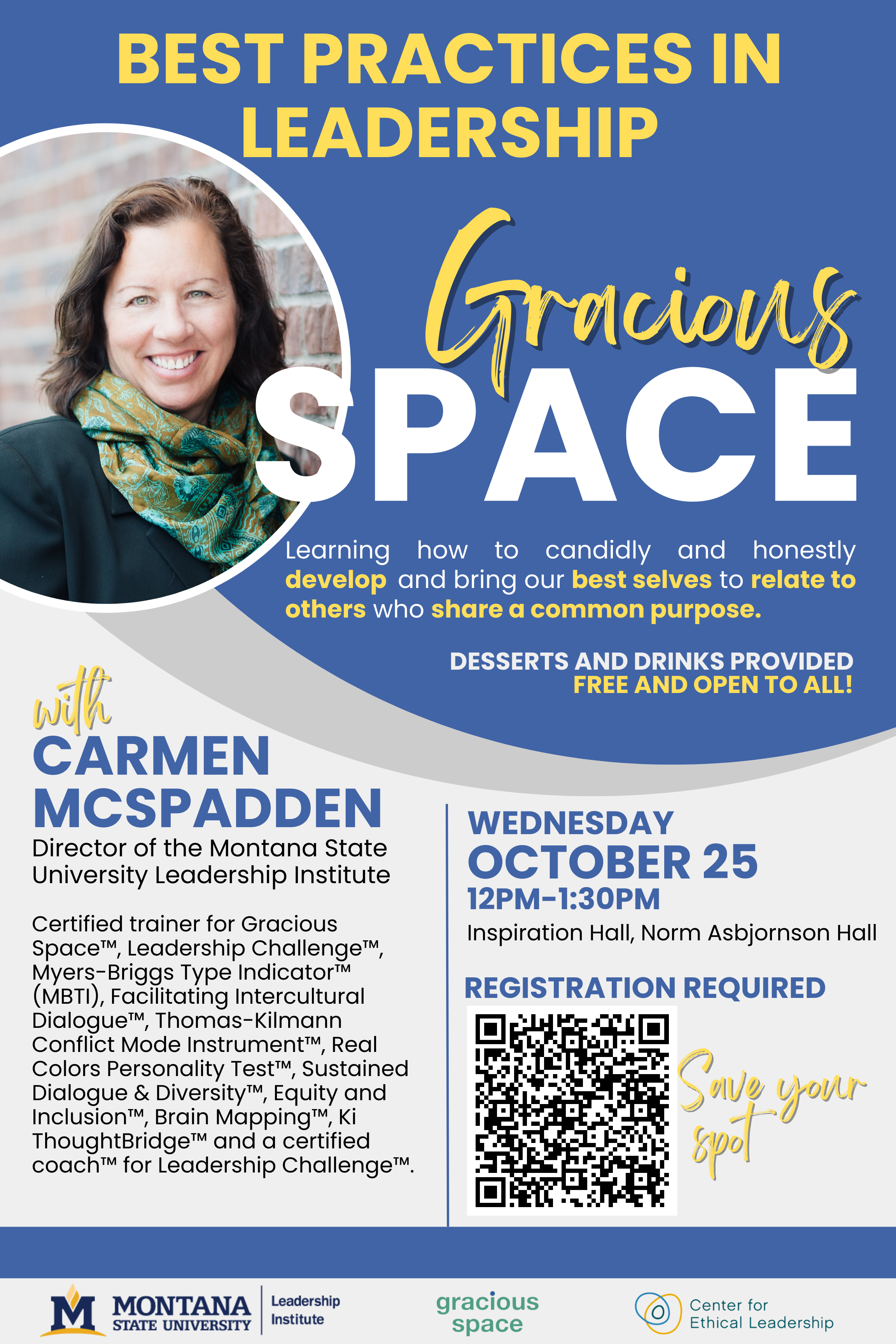
Best Practices in Leadership - Gracious Space
Students played a crucial role in organizing a workshop facilitated by our director, focused on training participants in the principles of Gracious Space. This evidence-based approach is designed to intentionally create safe environments where diverse points of view and experiences are embraced. The workshop drew participants from graduate and undergraduate students, as well as faculty and staff.
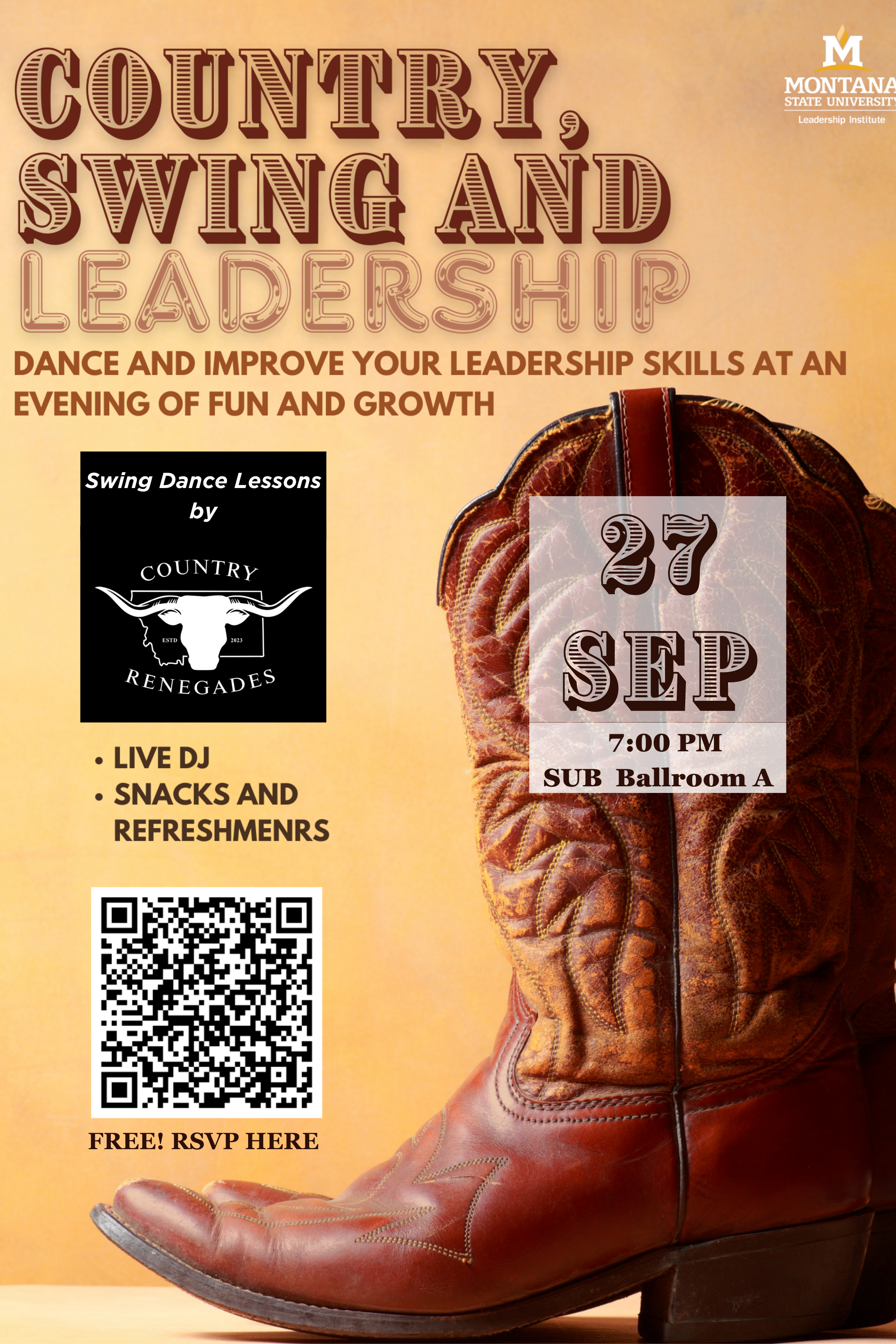
Country, Swing and Leadership
This dynamic evening featured an interactive Country Swing dancing lesson conducted by professional local instructors. The event also included a keynote address by student leader Andee Beker, focusing on the interconnected aspects of leadership and followership.
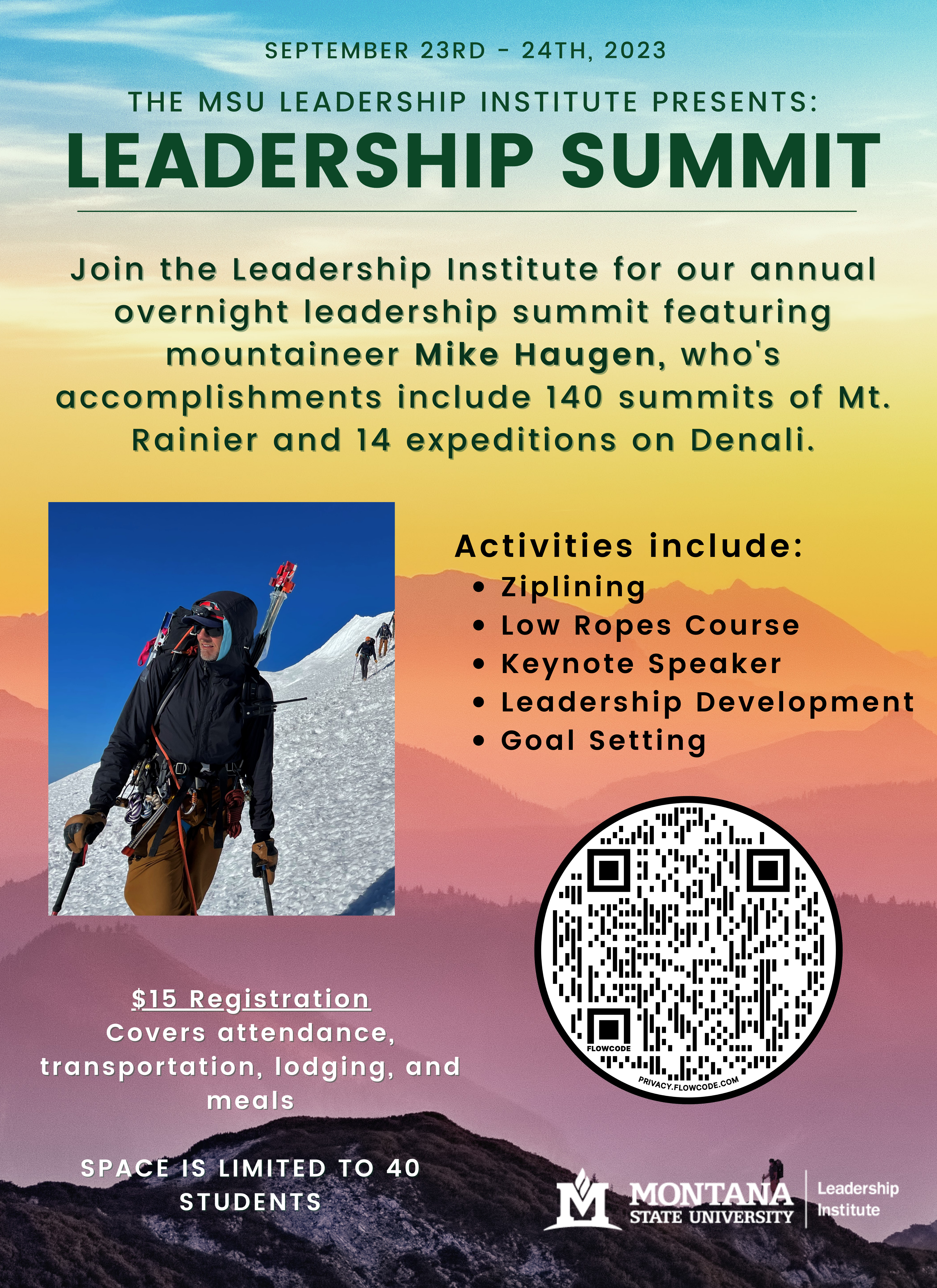
Annual Leadership Summit
The Leadership Institute hosted an overnight retreat at Yellowstone Adventure Alliance, engaging 40 students. The 2023 leadership retreat prioritized the theme of courage, featuring renowned mountaineer Mike Haugen as a keynote speaker, sharing profound insights from summiting some of the world's highest mountains over 100 times. The program included ziplining, yoga, strategic gaming, and teamwork training, fostering a holistic and enriching experience for all participants
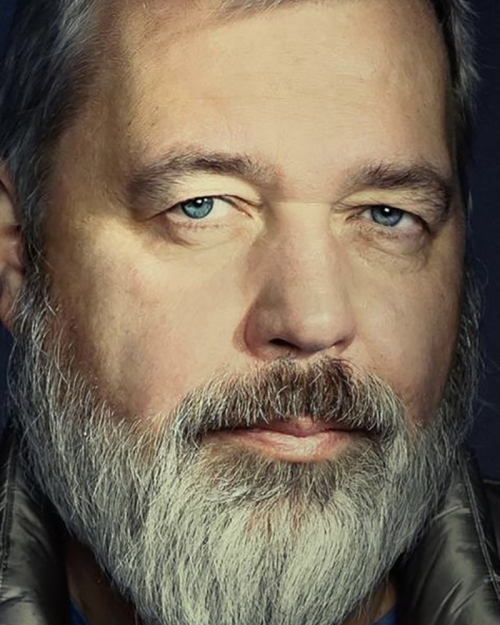
A Conversation with Dmitry Muratov
An “all ballroom”event, free speech activist and 2021 recipient of the Nobel Peace Prizespoke at Montana State University about freedom of speech, the Russia-Ukraine war and his experiences risking his life for journalistic integrity in the face of government opposition.
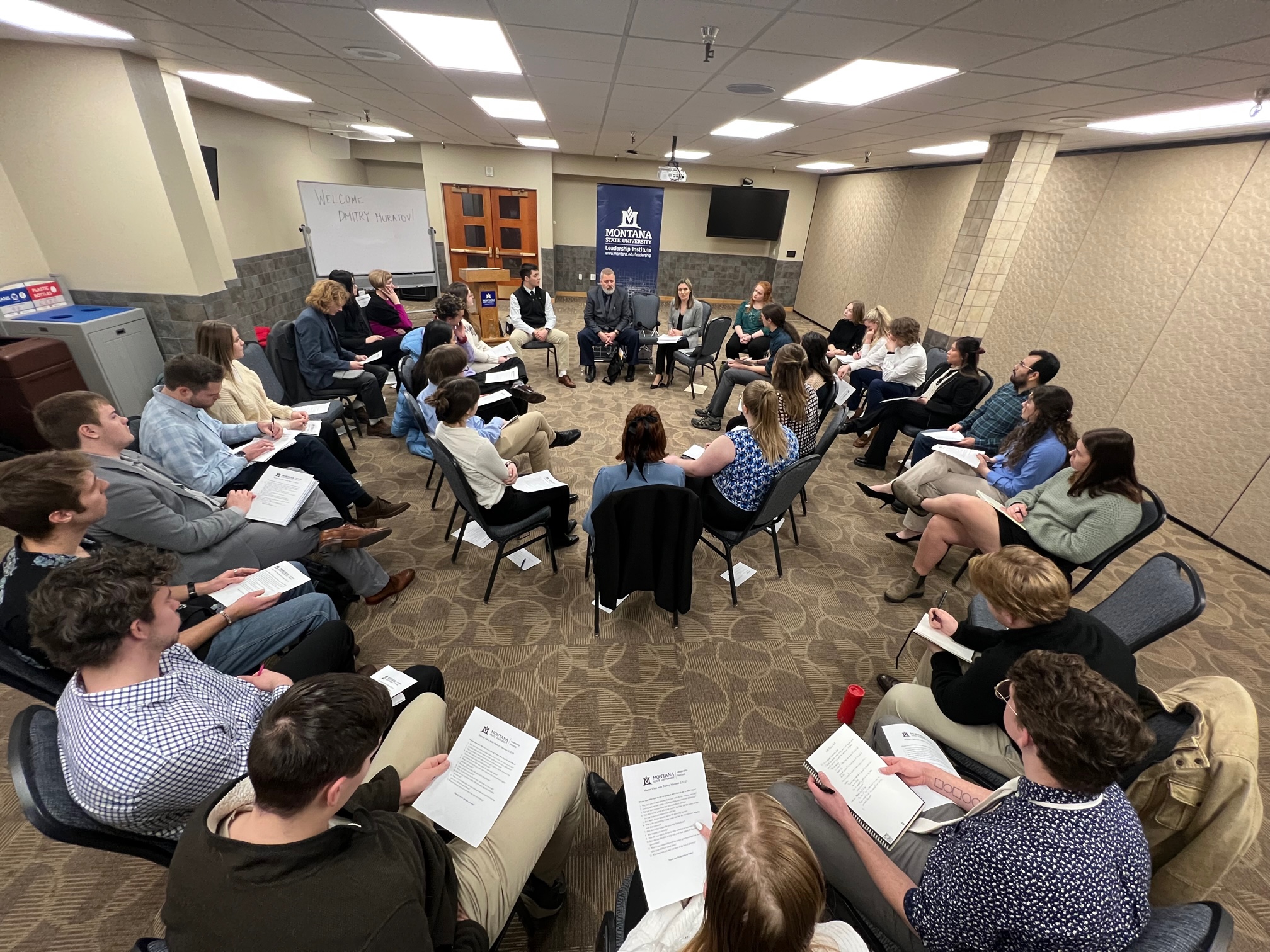
Master Class with Dmitry Muratov
40 Students from various disciplines across the MSU campus had a chance to meet and have a conversation with 2021 Nobel Peace Prize winner Dmitry Muratov.
Live, Laugh, Lead – One-Day Leadership Conference
An “all ballrooms” event, the Leadership Institute hosted an all day Leadership conference with Piero Procaccini and other professional trainers. In this day long training, we will explore a range of leadership topics including building self-awareness, being the leader you want to have, effective collaboration and delegation, and leading, not doing, among other topics.
2022
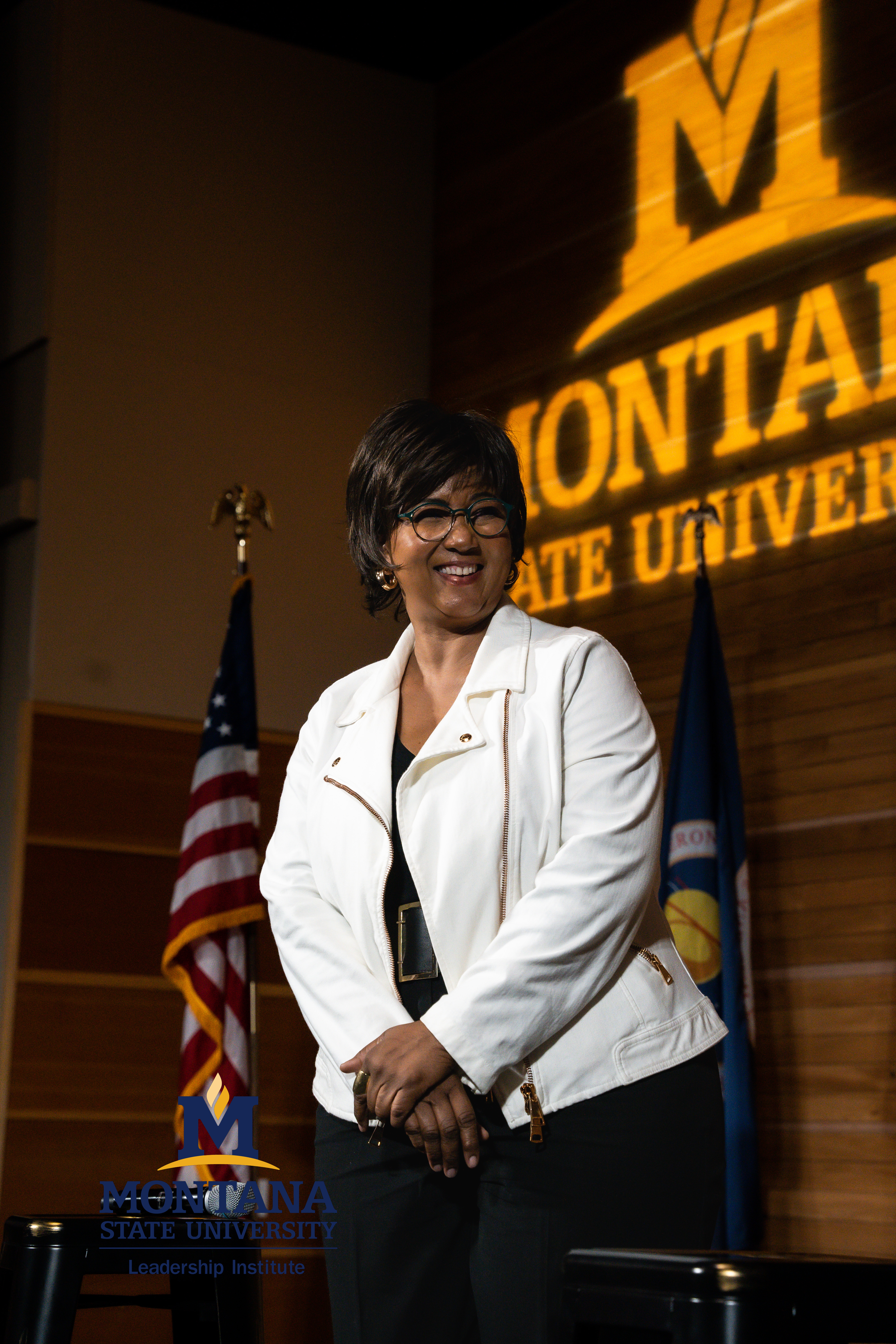
An Evening with Mae Jemison: First African American Woman in Space
Jemison served six years as a NASA astronaut and is an inductee into the National Women’s Hall of Fame and International Space Hall of Fame. Aboard the Space Shuttle Endeavour, a landmark mission in September 1992, she performed experiments in material science, life sciences and human adaptation to weightlessness.

The First Adaptive Descent of Denali: Leadership Beyond Barriers
Accomplished amputee skiers Vasu Sojitra and Pete McAfee spoke about their historic descent of Alaska’s Denali, the tallest mountain in North America at 20,310 feet. Sojitra lost his right leg when he was 9 months old. Now 30 years old, he recently completed what is believed to be the first disabled ski descent of Denali. In the lecture, Sojitra challenged the biases that go with being a disabled person of color and encouraged others to follow his example.
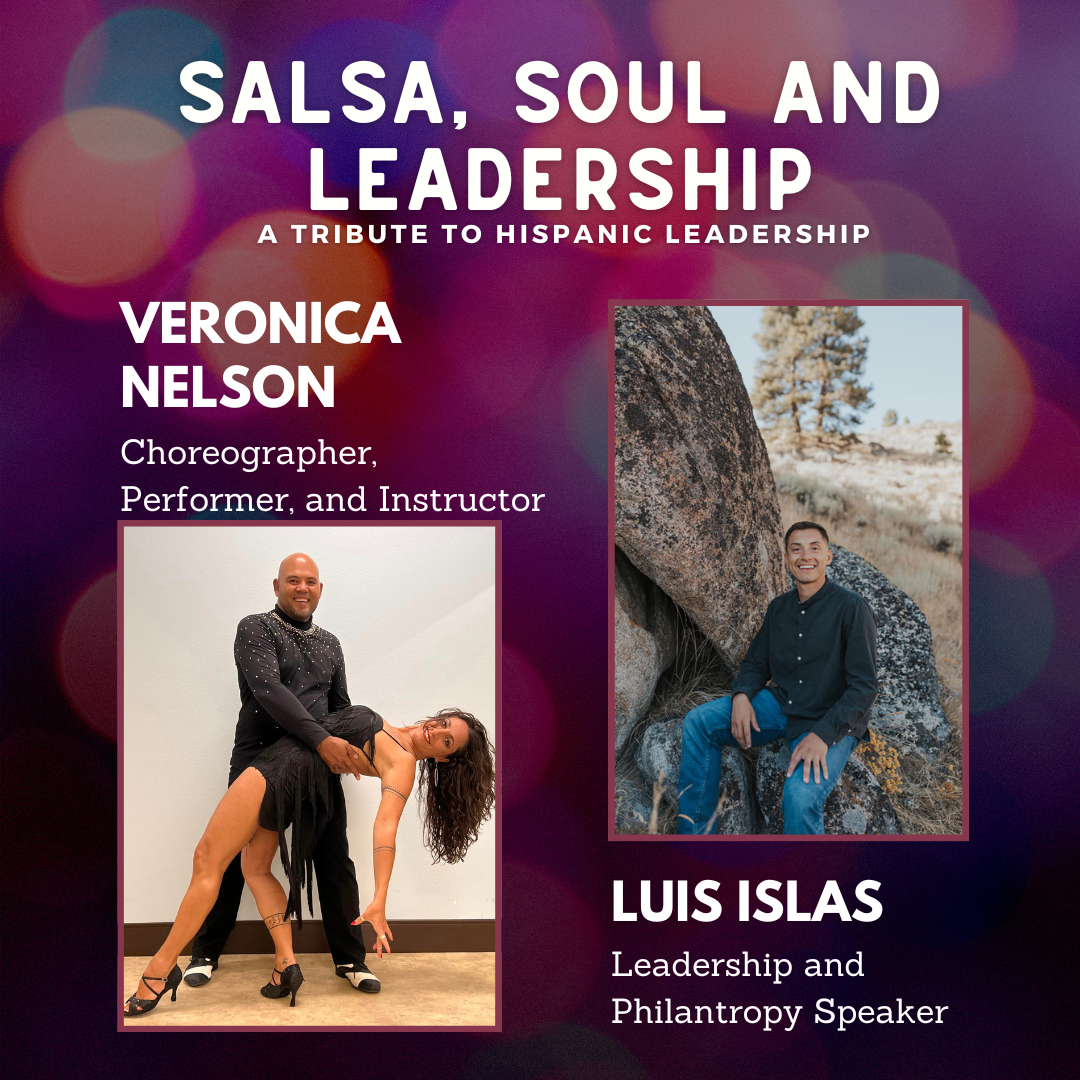
Salsa, Soul and Leadership: A Tribute to Hispanic Heritage
An event featuring leadership and philanthropy speaker, Luis Islas and professional dance instructor, performer and choreographer, Veronica Nelson and a Hispanic-themed reception. Nelson was born in Peru and raised in Argentina. Nelson dances styles that include Rueda Casino, LA, and afro-Cuban. She has participated in numerous national and international salsa conferences and Montana events. Islas was born in California and is the son of two proud immigrant parents. Islas was the first in his family to go to college and to attend graduate school. He then went on to serve as a Peace Corps volunteer in Tsiombe, Madagascar. This experience led Islas to pursue working for non-profits Islas was named one of Idaho’s 2022 Rising Leaders by the Idaho Nonprofit Center and Accomplished 40 under 40.
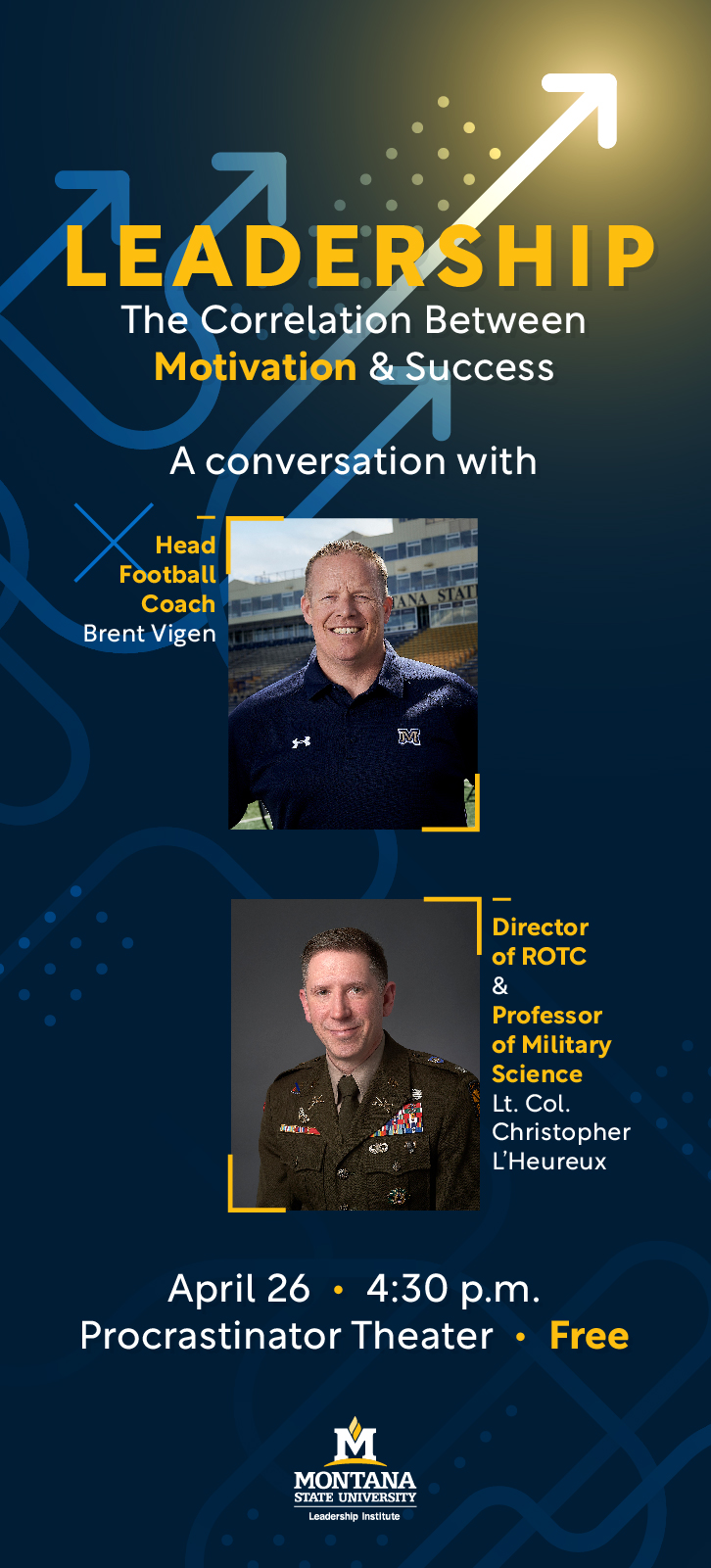
The Correlation Between Motivation and Success
Montana State University’s head foptball coach, Brent Vigen, joined Lt. Col. ChristopherL'Heureux, director of ROTC and professor of military science, to discuss the correlation between motivation and success on Tuesday, April 26, in the Procrastinator Theater.Vigen will spoke about his career in college football and shared his thoughts on the development and motivation of both his staff and student-athletes. L’Heureux’s career has focused on inspiring and motivating the next generation of military officers in the U.S. Army.
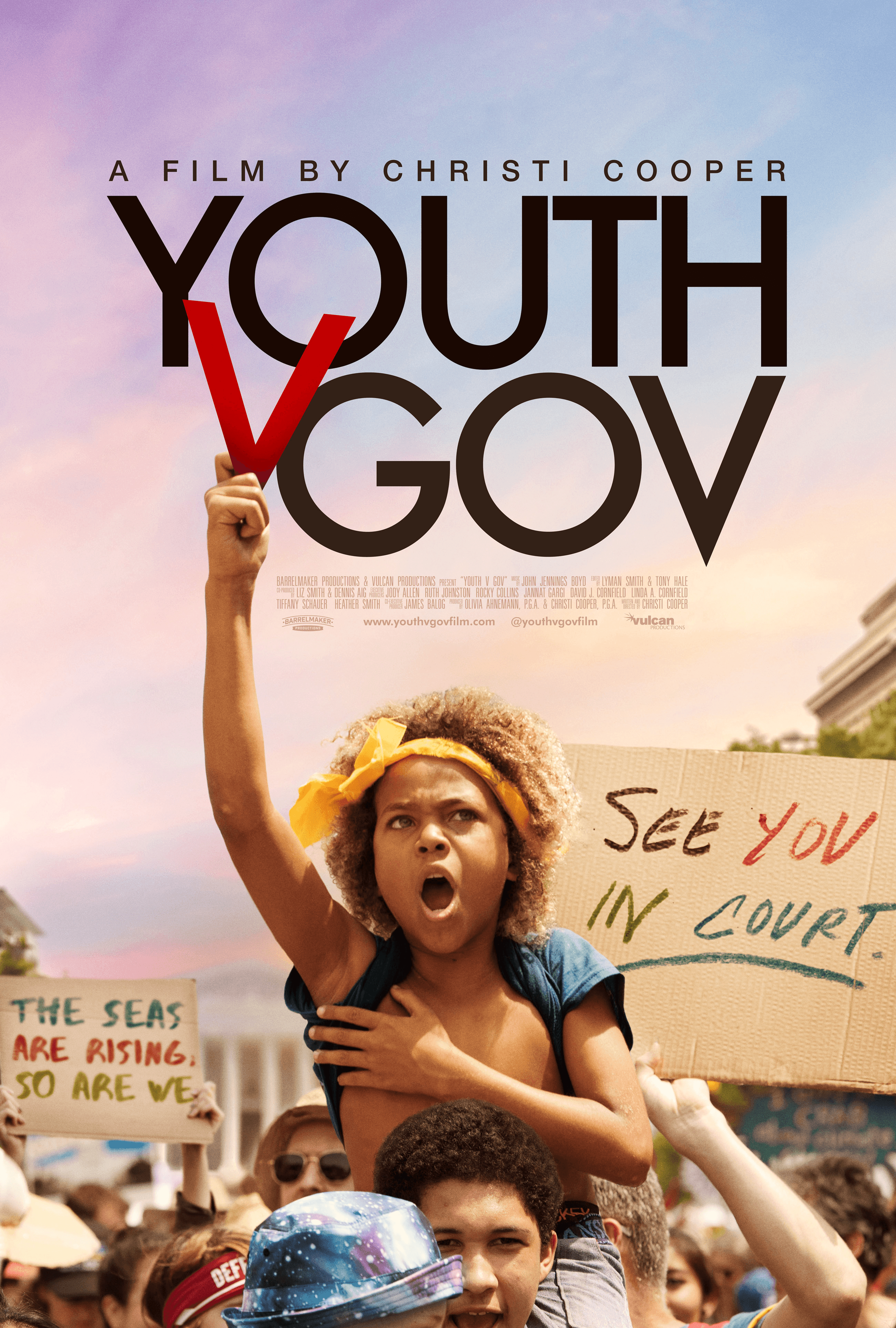
'Youth v Gov' Film Premier at Montana State Universy
Montana State University hosted the local premier of "Youth v Gov," a film which follows a group of young people who sued the government for violating their rights to a clean climate, on Wednesday, March 23. The premiere was followed by a Q&A withthe Emmy award-winning filmmaker Christi Cooper,and Julia Olson, the chief litigator for the case.
Olson, chief counsel for the plaintiffs, is the founder of Our Children’s Trust, a nonprofit law firm. Her work focuses on representing young people and helping them speak up for the quality of their lives and of future generations. Olson is a recipient of the Rose-Walters Prize for Global Environmental Activism and received the Kerry Rydberg Award for Environmental Activism in 2017.
2021
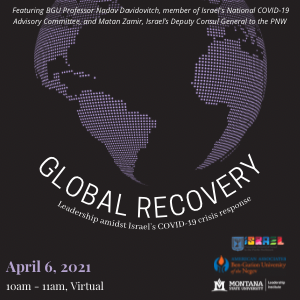
Global Recovery - Leadership Amidst Israel's COVID-19 Crisis Response
The MSU Leadership Institute virtually hosted two leaders of the COVID-19 vaccine effort in Israel – a country that has reportedly inoculated its citizens at the fastest per capita pace of any country.Deputy Consul General Matan Zamir and Dr. Nadav Davidovitch, experts in foreign affairs and the Israeli vaccine response, presented “Global Recovery: Leadership Amidst Israel's COVID-19 Crisis Response” from 10 a.m. to 11 a.m. on April 6th, 2021.Davidovitch and Zamir discussed Israel’s vaccine success, their leadership experiences related to that success, strategies for a successful COVID-19 crisis response and the importance of leadership within global health and international collaborative efforts. They also shared how the lessons they’ve learned translate to Montana, the Gallatin Valley and MSU students.
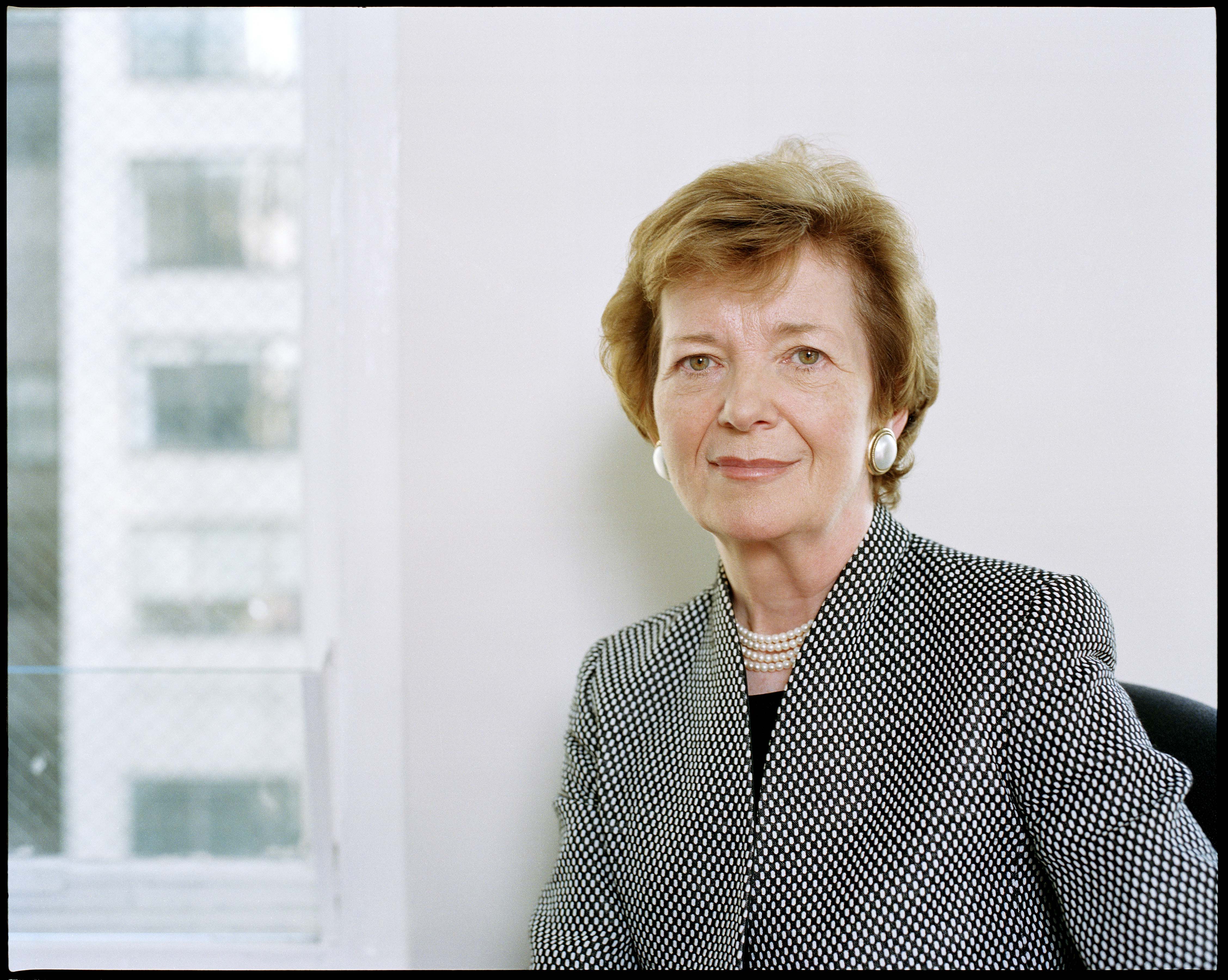
Former president of Ireland Mary Robinson - “Leadership and Climate Justice"
Former president of Ireland Mary Robinson spoke at Montana State University during a virtual event on Thursday, April 8, 2021. Robinson’s talk, “Leadership and Climate Justice,” focused on leadership, education and advocacy for the poor and disempowered in the world who are disproportionately threatened by climate change. Following Robinson’s remarks, an interactive audience Q&A was led by MSU President Waded Cruzado.
2020
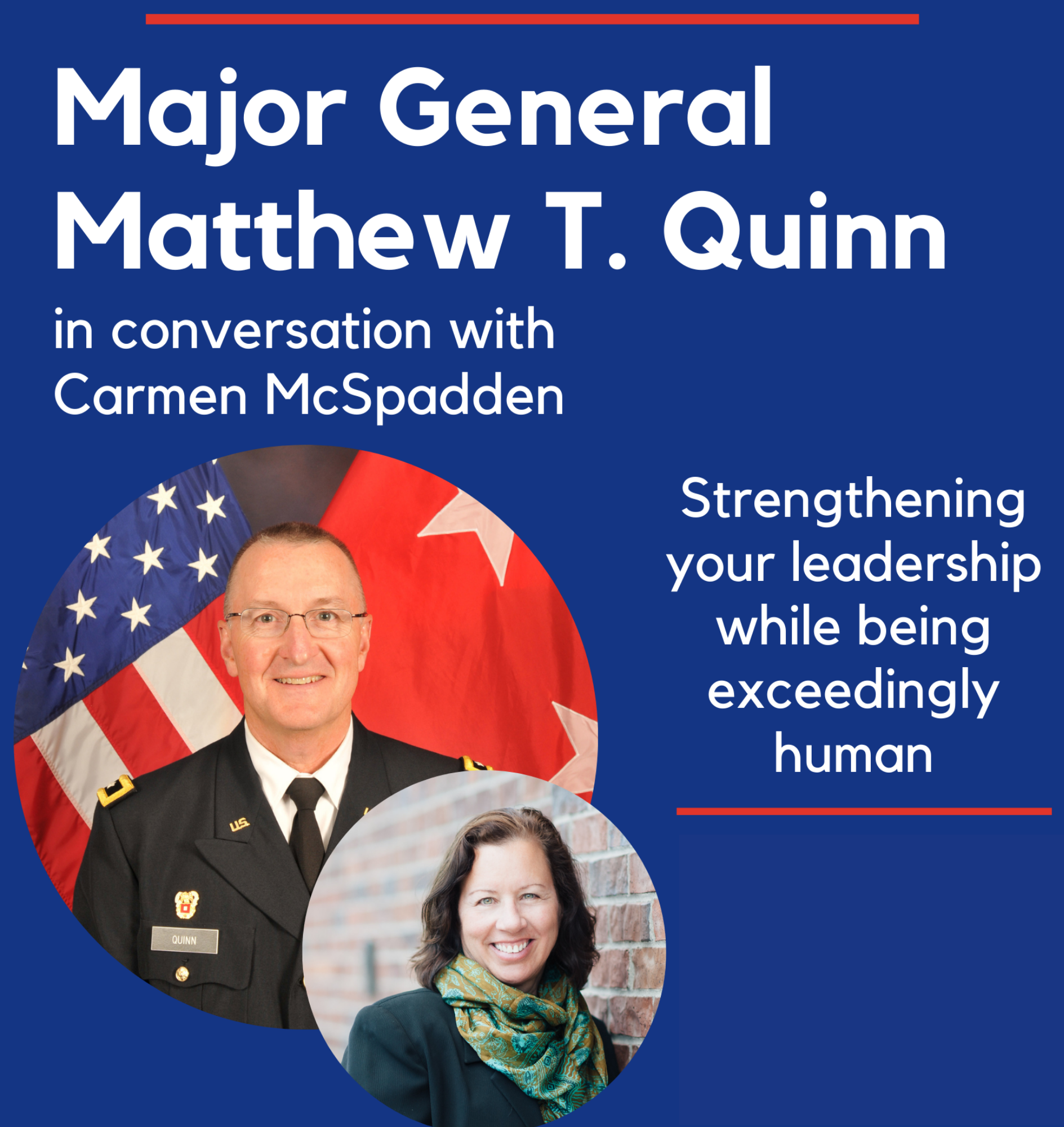
Major General Matthew T. Quinn,and director of the MSU Leadership Institute, Carmen McSpadden
Quinn, known as a compassionate leader, was deeply involved in Montana’s Covid-19 response. He also serves as the Director of the Department of Military Affairs, where he is responsible for providing Army and Air National Guard military forces to be ready to deploy worldwide. Quinn serves on the Governor’s cabinet as the principal military adviser and is responsible for the Governor for State Disaster and Emergency Management, Homeland Security, Veteran Affairs, Counter-Drug Support to Civilian Law Enforcement, and more. He is a veteran of both Operation DESERT STORM and Operation IRAQI FREEDOM.
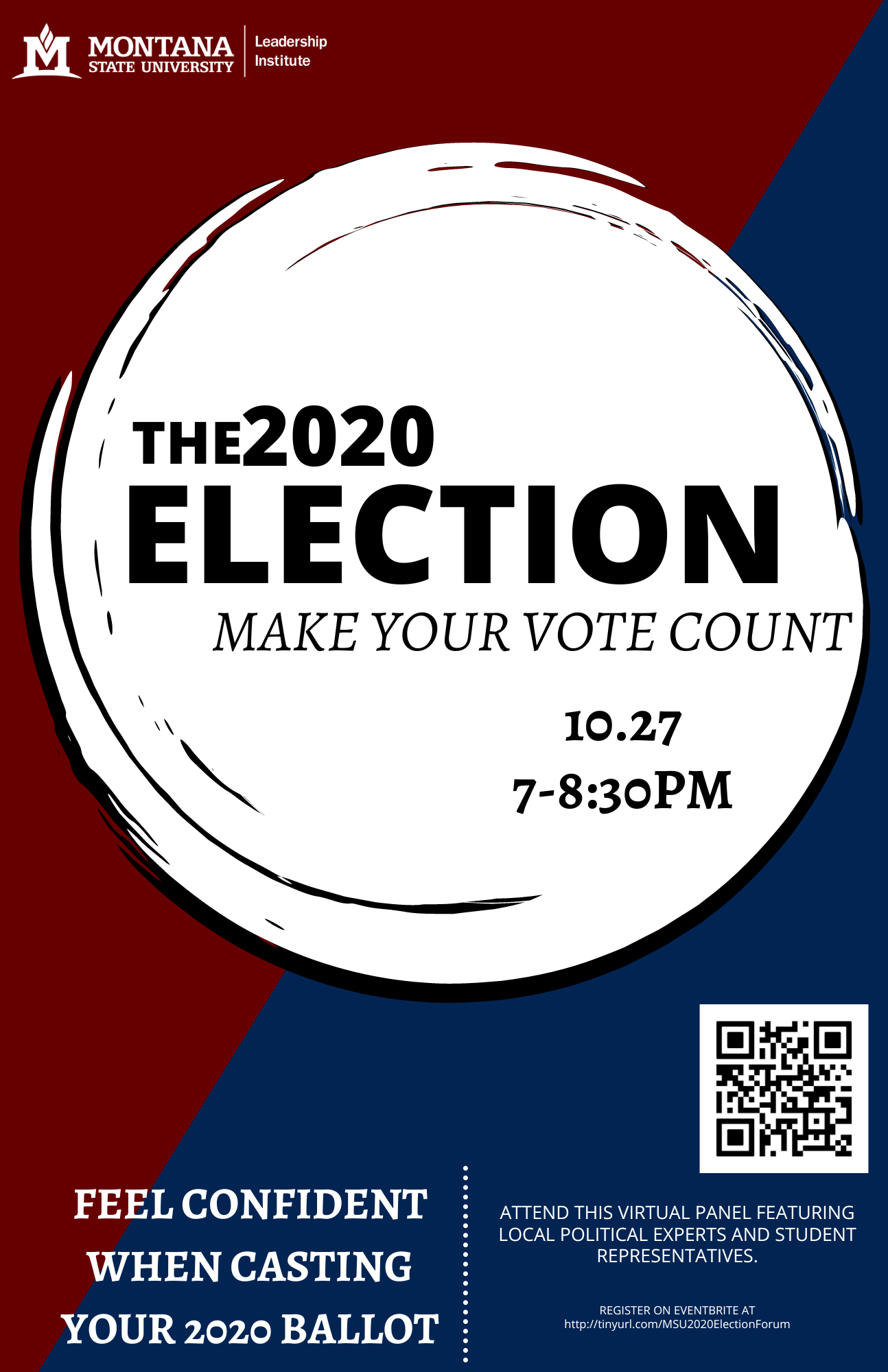
The 2020 Election Make your Vote Count
The MSU Leadership Institute hosted a forum for first-time and returning voters on October 27th entitled, “Make Your Vote Count.” Aimed at empowering students and community members to feel confident in casting their 2020 ballot, this virtual, interactive event will featured a panel of both local political experts and student representatives from a variety of MSU political clubs and organizations. The panel was moderated by Dr. Eric Railean associate professor of political science at Montana State University-Bozeman. He teaches primarily in public policy and public administration and worked previously in the U.S. executive branch. He has contributed to news media reports about campaigns and elections for over a decade.
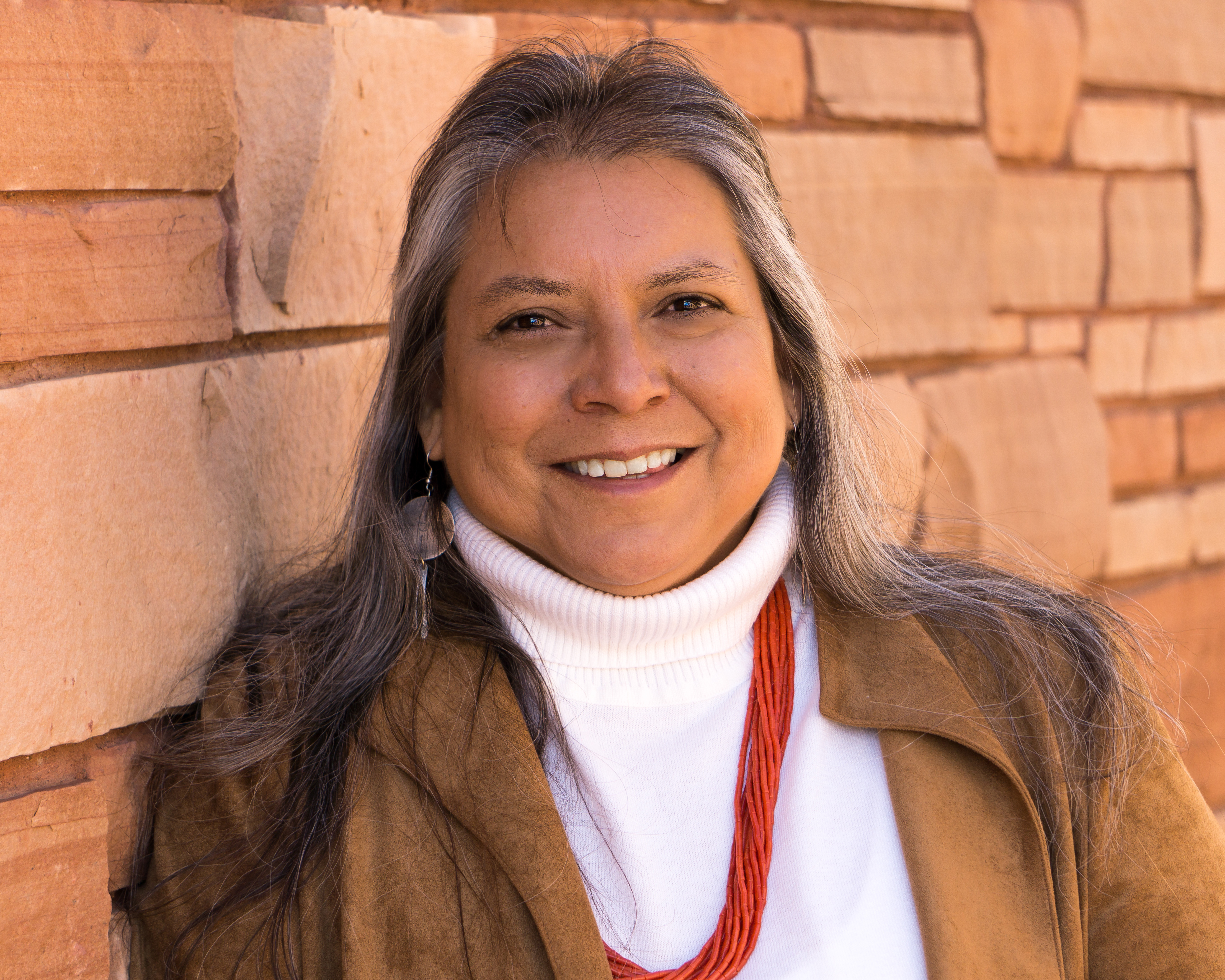
Zonnie Gorman - Growing Up With Heroes: A Daughter’s Journey with the Navajo Code Talkers
WWII Navajo Code Talkers was the subject of this multi-media lecture.Zonnie Gorman, esteemed historian, is the daughter of one of the “first twenty-nine” Navajo Code Talkers and has dedicated her life to Native American history, sharing her father’s story as a Code Talker who worked to develop the Code, fostering cultural pride, and educating both Navajos and non-Navajos on the rich cultural history of her tribe
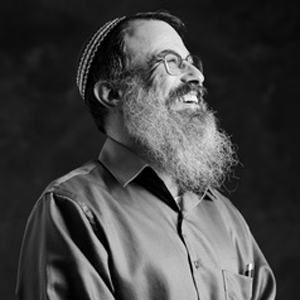
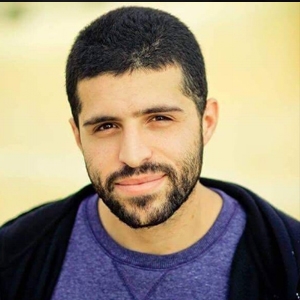
Enemies to Allies: A Rabbi and a Palestinian Activist
2019
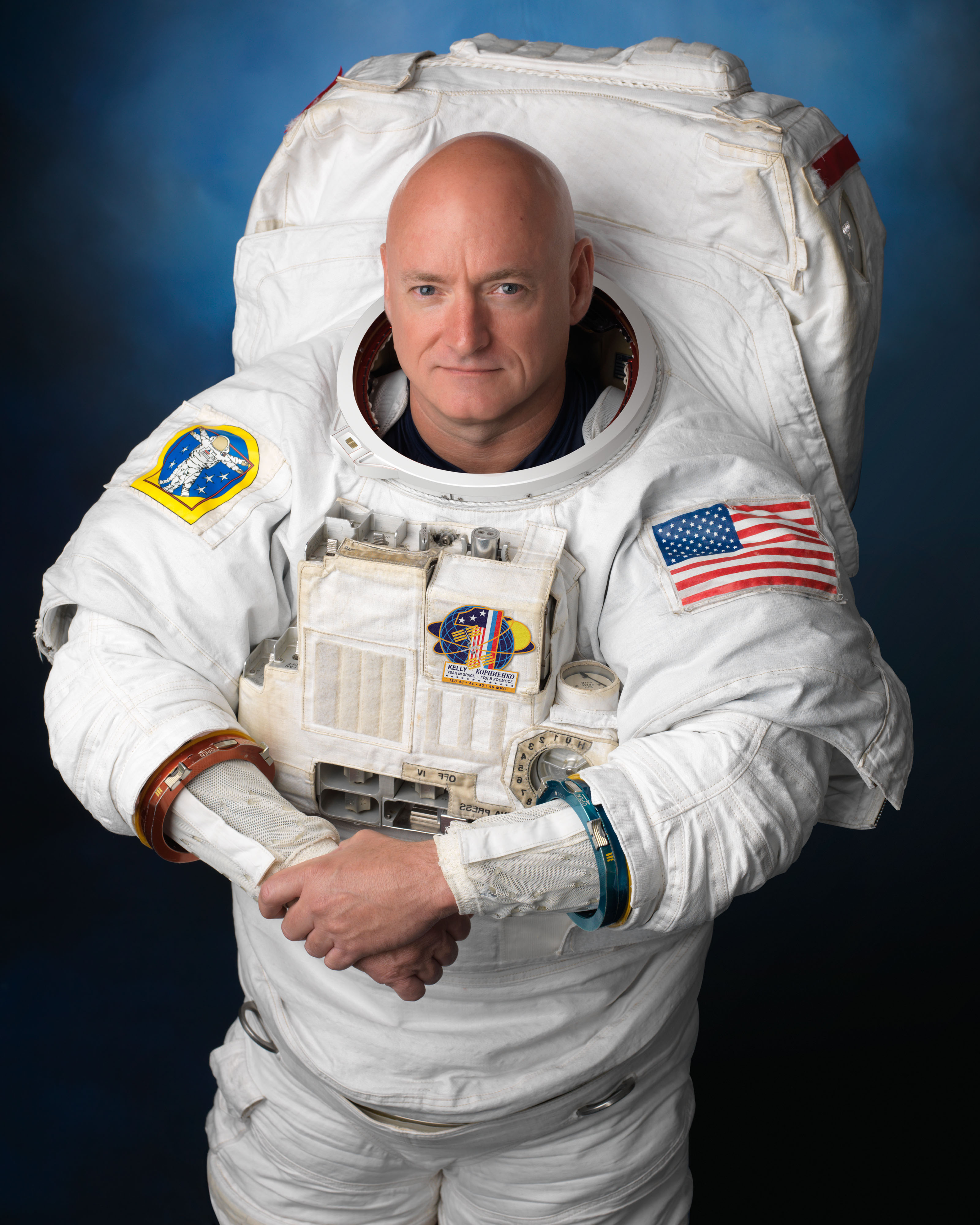
Captain Scott Kelly
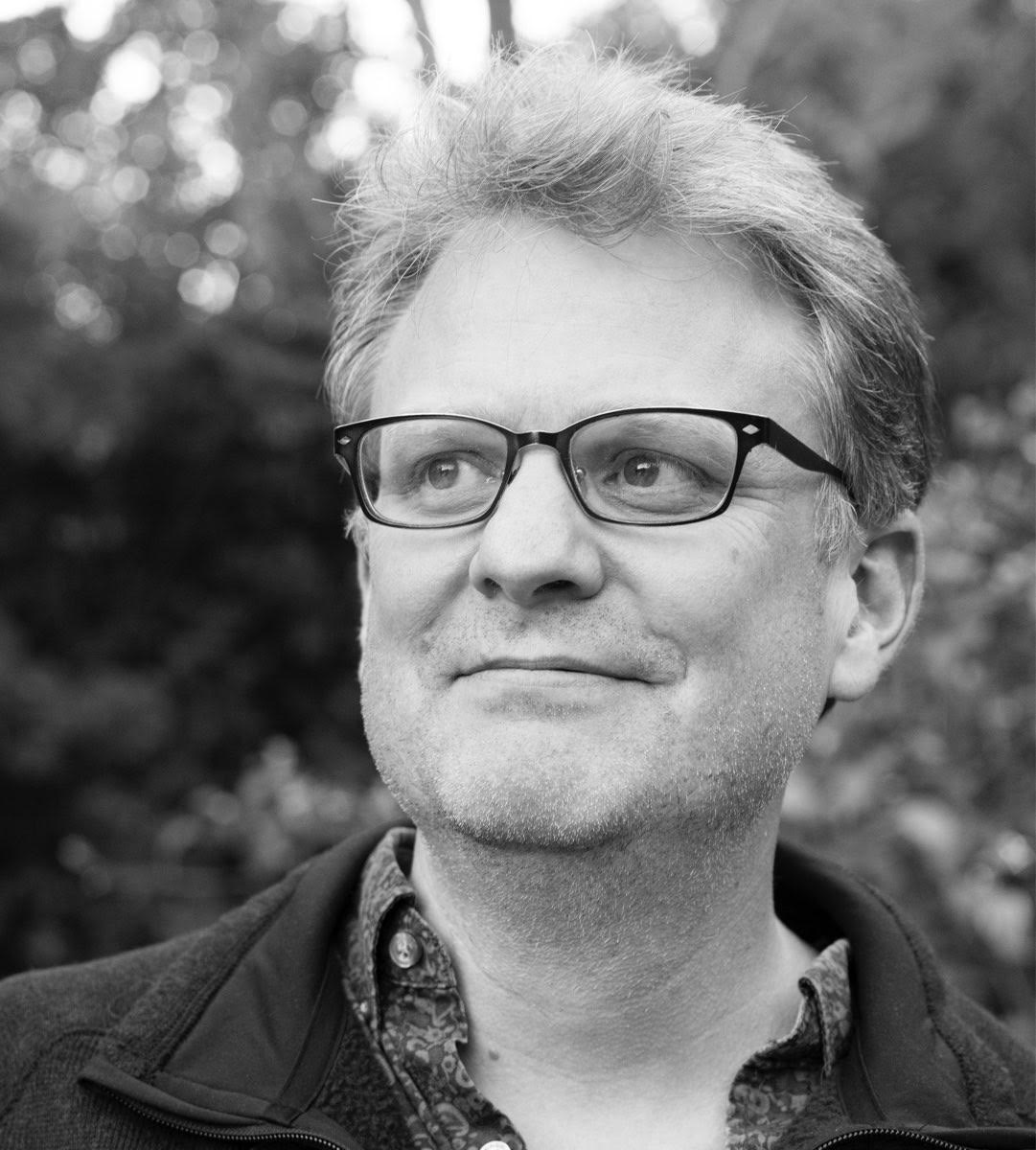
The Courage to Make a Difference
On February 25th, International consultant, entrepreneur, and business professor Stace Lindsay spoke on The Courage to Make a Difference: Recognizing the Small Work in the Great Work. In his lecture, Lindsay spoke about his life story, how he has seen leadership impact the world in ways small and large, and ended by imparting on the audinece tips to create a meaningful life. Lindsay specializes in bringing together diverse leaders from all over the world to participate in thought provoking conversations about how they, as leaders, might have a greater impact.
Women Leading and Learning
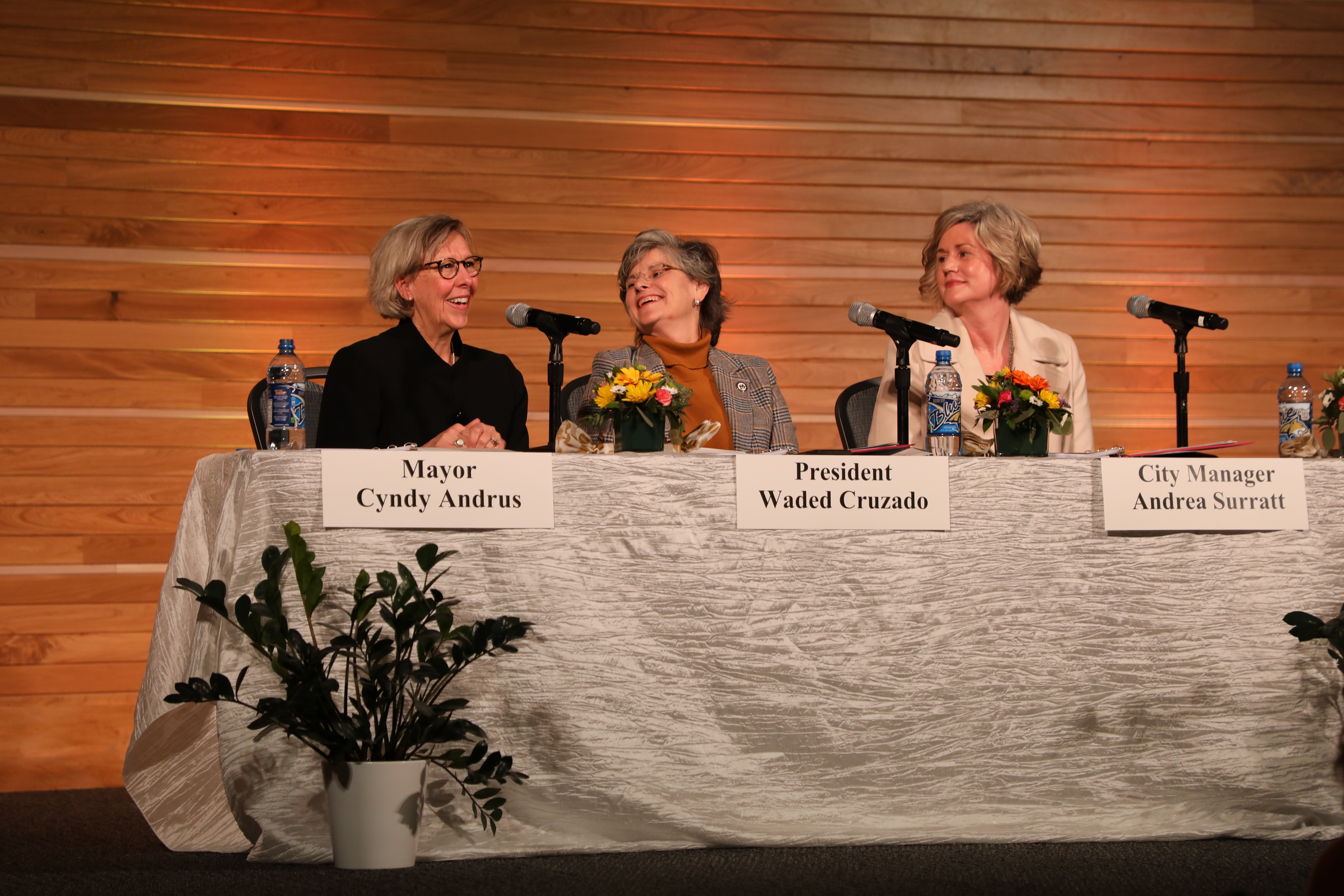
On January 31st, 2019 the MSU Leadership Institute hosted President Waded Cruzado, City Manager Andrea Surratt, and City Mayor Cyndy Andrus to speak at Women Leading and Learning, a workshop geared toward highlighting this historic time in Bozeman where we have three women in the highest offices of our city. Director Carmen McSpadden lead the women through dialogue about their experiences of gaining trust, owning mistakes and becoming vulnerable in their respective roles.
2018
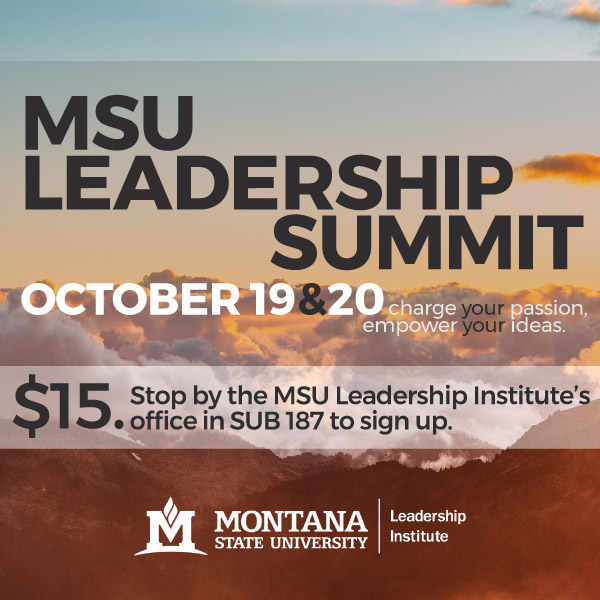
MSU Leadership Summit: Charge your Passion, Empower your Ideas.
An empowering and re-energizing weekend filled with challenging outdoor activities including a zip line and a ropes course, inspiration and workshops from two amazing speakers, and opportunities to network and befriend fellow MSU students and members of our community - all while participants had the opportunity to build useful leadership skills!

Dr. Paul Farmer
On January 31, the MSU Leadership Institute hosted global health expert Dr. Paul Farmer. As a world-renowned academic and anthropologist, Farmer’s research into cultural development and medical care has contributed dramatically to understanding the intricate challenges of meeting various needs of people all over the world.
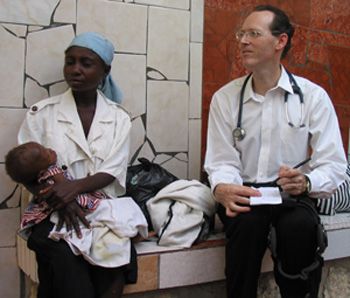
Annual Film Series: “Bending the Arc” (2017)
“Bending the Arc” (2017) is a powerful film that portrays the importance of service-driven leadership, especially in the world of global health care. The documentary is about a team of young students—Paul Farmer, Jim Yong Kim and Ophelia Dahl—whose charitable medical work 30 years ago ignited a global health movement.

Leadership Summit: Sustain Today. Save Tomorrow
The 2018 annual Leadership Summit was an opportunity for MSU students to bridge academic disciplines and engage with individuals who share a passion for sustainability and leadership. Conrad Anker, leader of the North Face Climbing Team, rock climber, mountaineer, and author will be the keynote speaker. The focus of the summit was for attendees to leave with strong, forward thinking projects that they could put into action in the Bozeman community.
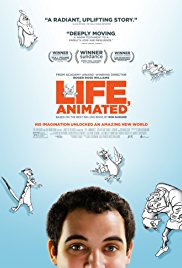
Annual Film Series: “Life Animated” (2016)
"Life, Animated" (2016) is an emotional coming-of-age story that follows Owen Suskind, a young autistic man who was unable to speak as a child until he and his family discovered a unique way to communicate by immersing themselves in the world of classic Disney animated films. The inspirational film follows Owen as he moves into to adulthood and takes his first steps toward independence.
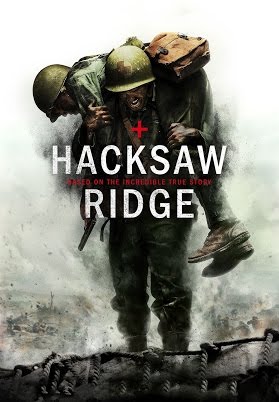
Annual Film Series: “Hacksaw Ridge” (2016)
Directed by Mel Gibson, the film is based on the 2004 documentary, “The Conscientious Objector.” It focuses on the true story of World War II combat medic, Desmond Doss. Doss became the first man in American history to receive the Medal of Honor without firing a shot after saving 75 men in Okinawa, during one of the bloodiest battles of WWII.
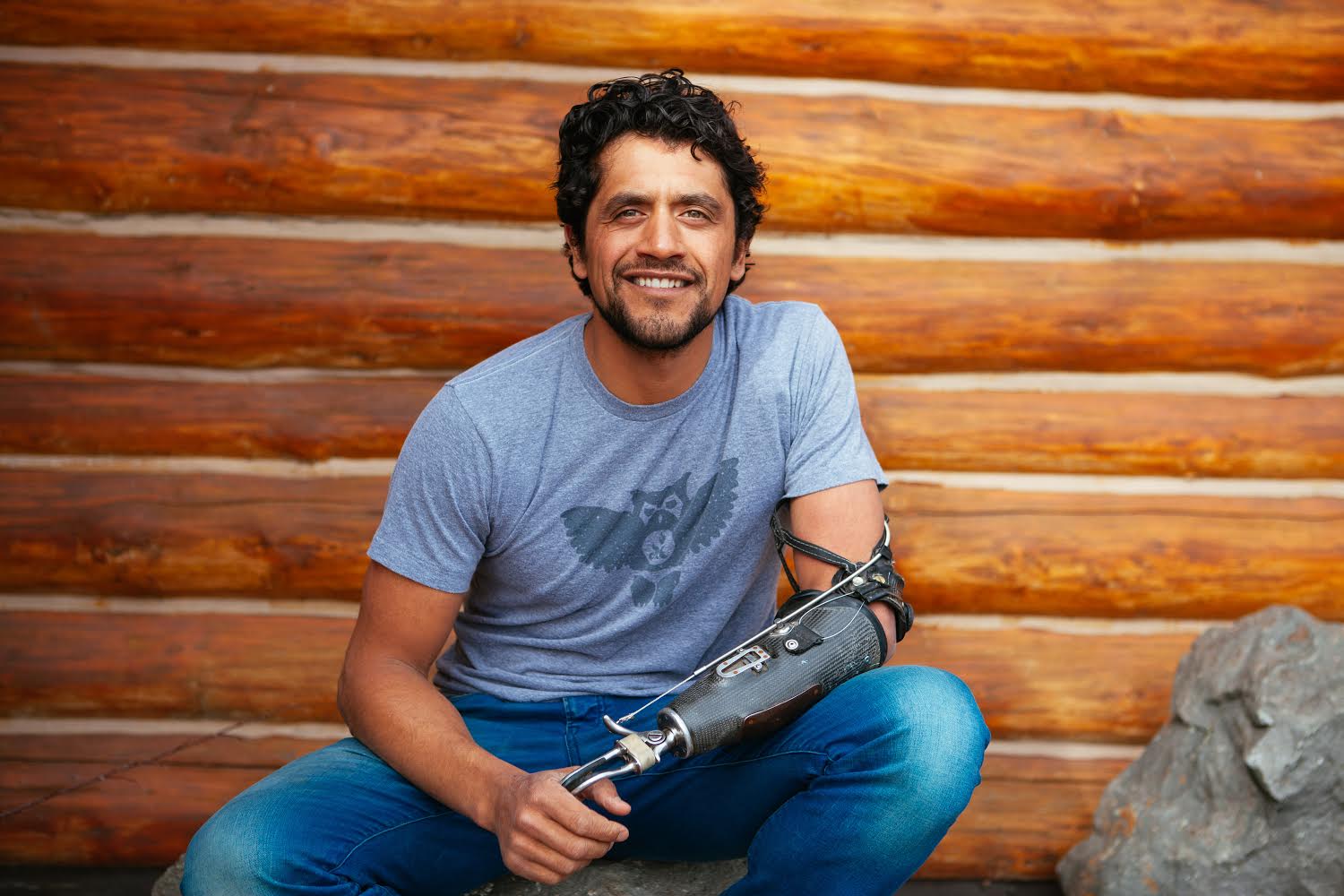
Annual Film Series: “Charged: The Eduardo Garcia Story” (2017)
This film chronicles the journey of Eduardo Garcia, a chef to celebrities and outdoorsman whose life nearly ended in 2011 when he was shocked by 2,400 volts of electricity after touching the carcass of a dead bear with the tip of his knife while hiking in the backcountry of Paradise Valley. Garcia lost his hand, ribs and muscle mass and was airlifted to a burn center in Utah. Through sheer resilience, and with the help of his former partner, Jennifer Jane, Garcia gained back his health only to learn that he had another battle, this one with cancer. The film recounts Garcia’s learning to embrace his past, his family and his future.
2017
Improv Night: An evening of energy and excitement, where humor spurs new personal insights!
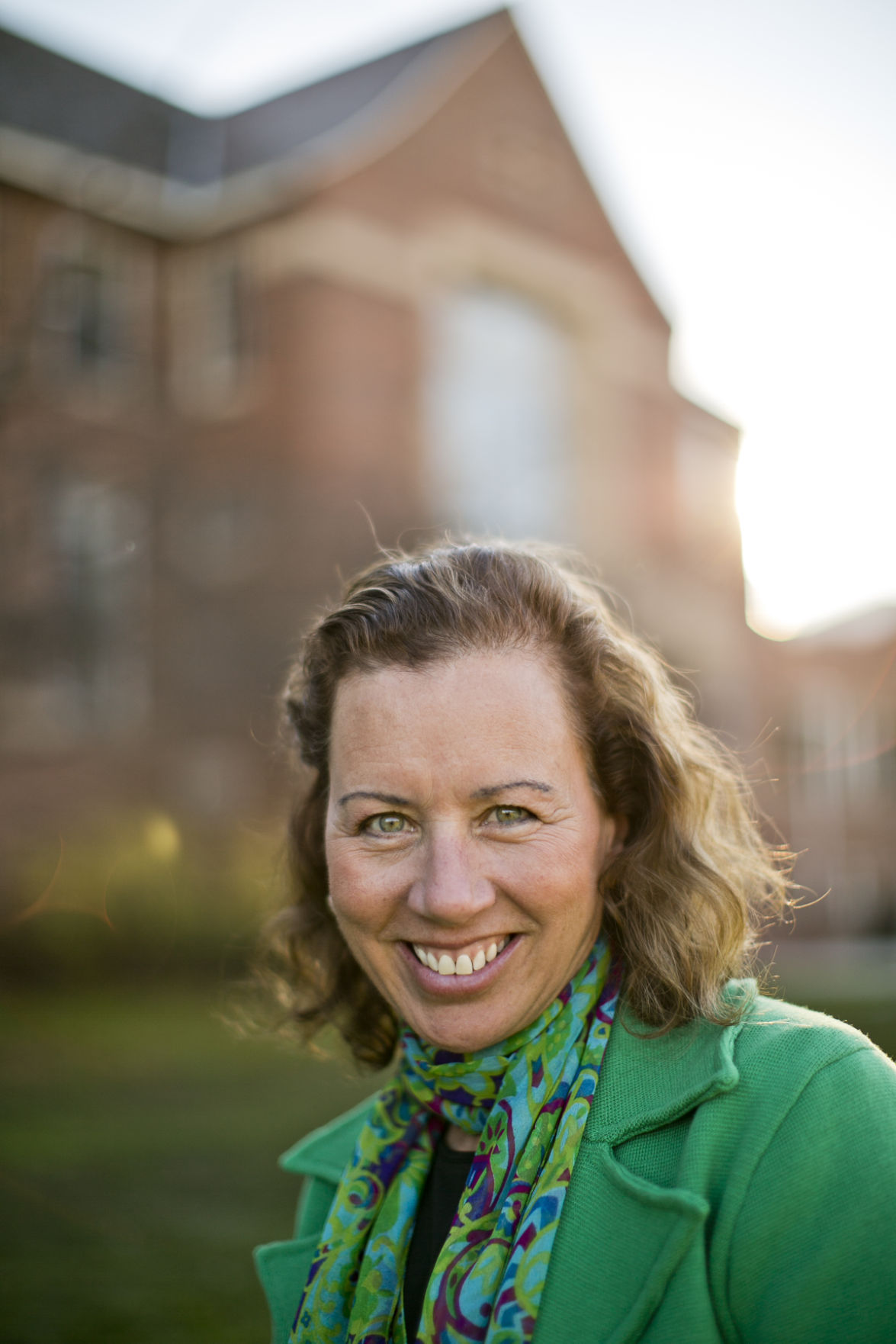
Finding Balance: Maintaining Momentum in a Busy World
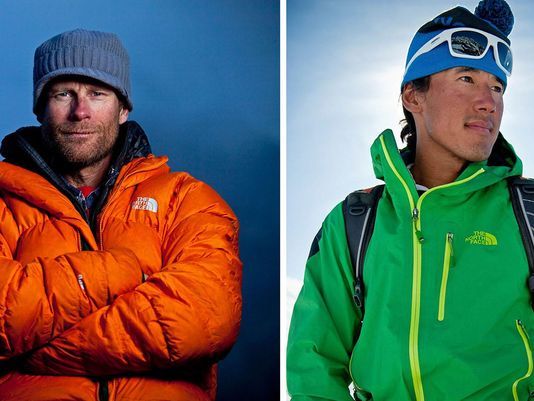
Conrad Anker and Jimmy Chin: An Evening with Mountaineer Legends

Gender Equality and YOU: A Conference to Create, Foster and Catalyze
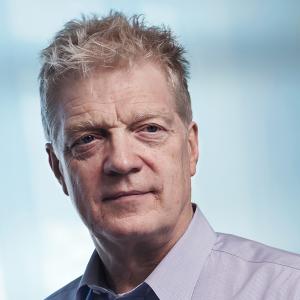
Sir Ken Robinson
Sir Ken Robinson, the British expert on creativity and innovation who is the most-watched speaker in the TED Talk video series throughout the world, spoke at Montana State University on February 8, 2017. Throughout his work, Robinson pushes people to rethink outdated assumptions about intelligence, education and creativity, and to unleash the real potential of people and organizations.
2016
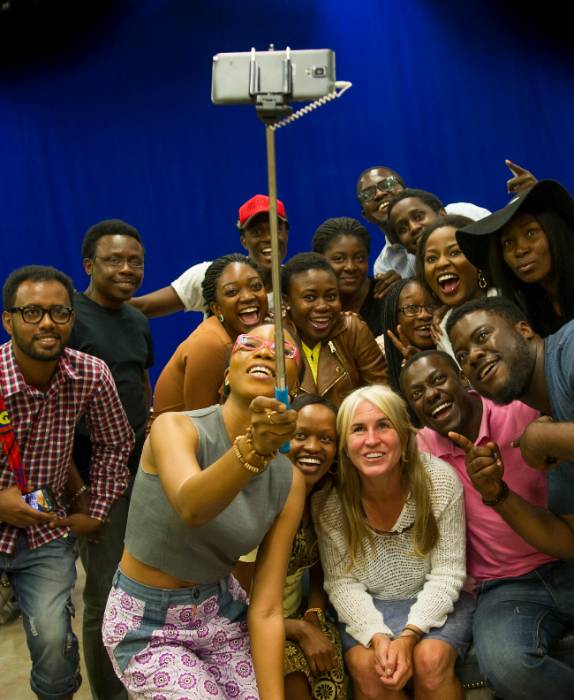
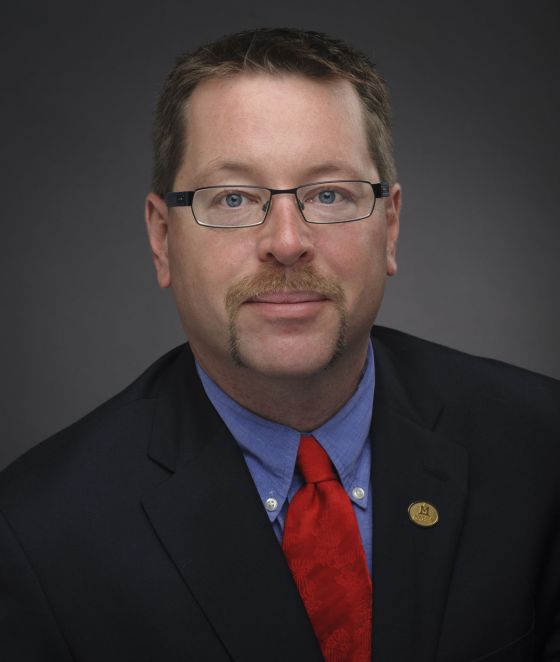
Your Vote, Your Voice, Your Future: The Power of the Voter in 2016
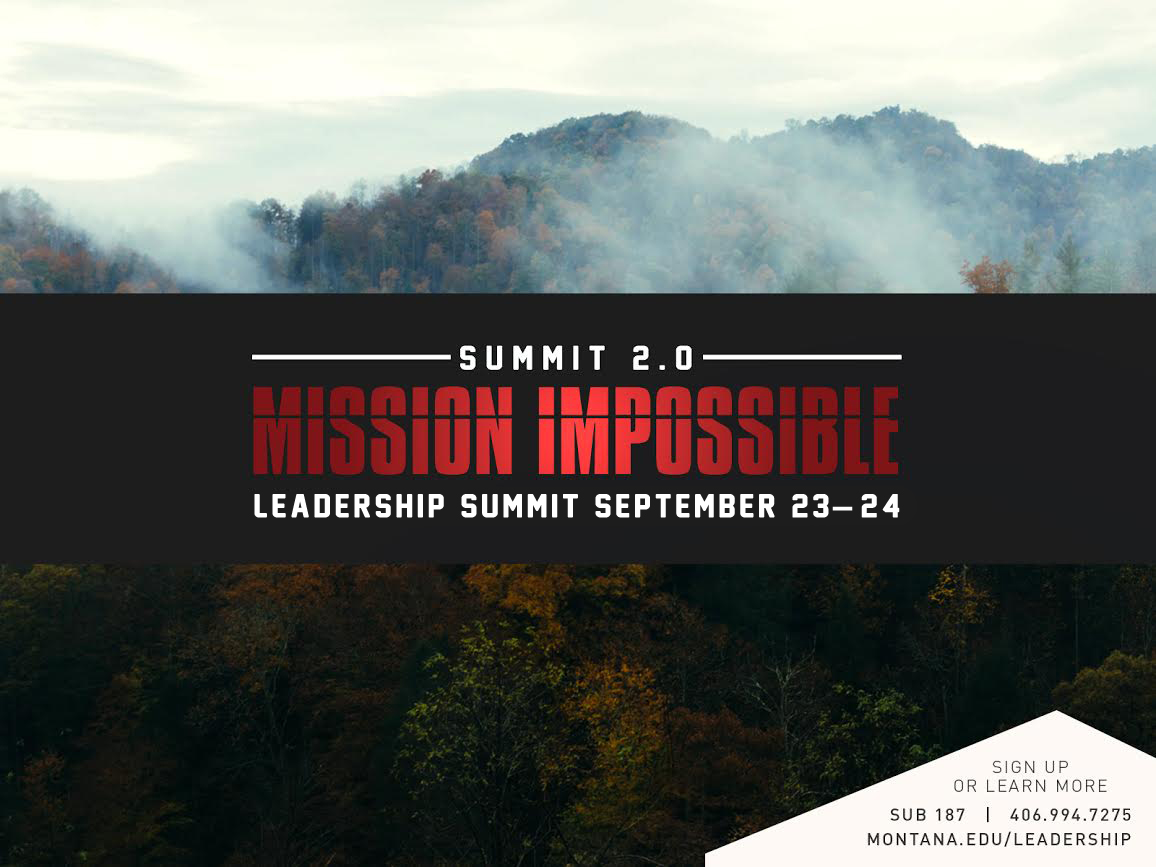
Leadership Summit: Mission Impossible
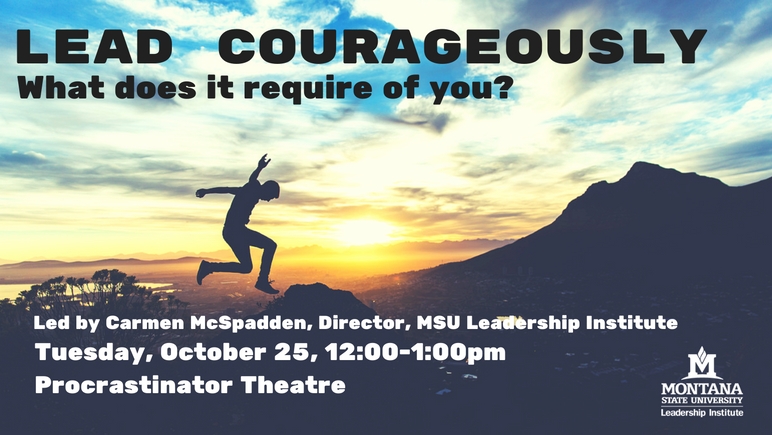
Lead Courageously: What does it require of you?
2015
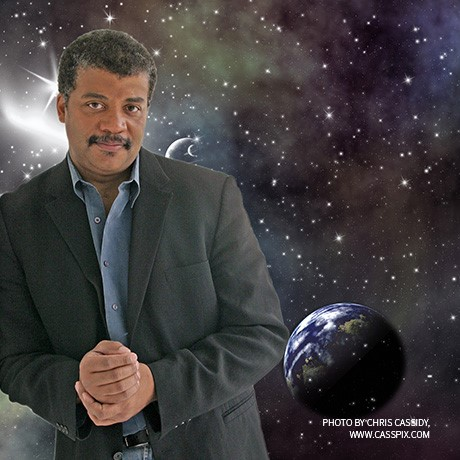
Neil deGrasse Tyson
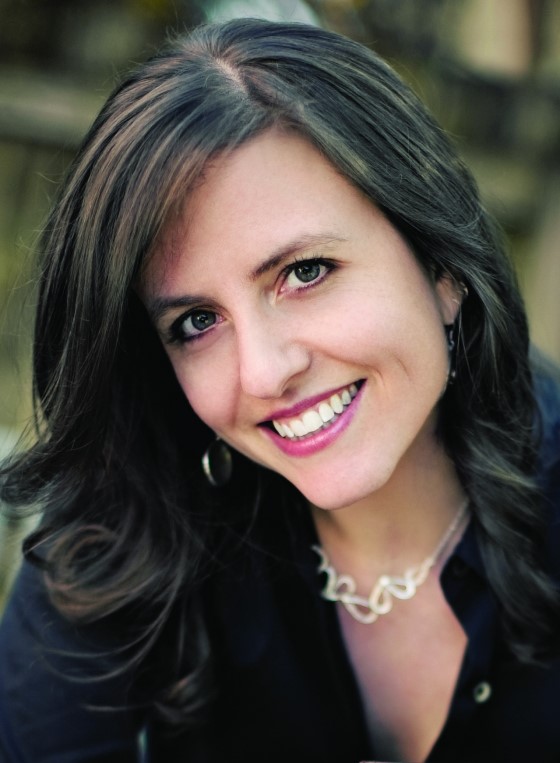
Rebecca Skloot

Alex Sheen
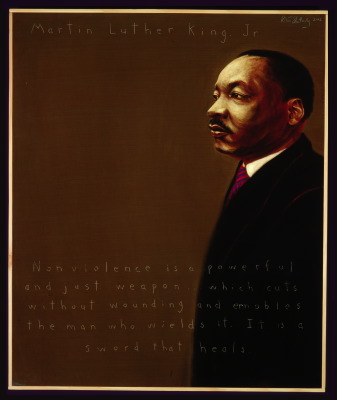
A Dialogue with “Americans Who Tell the Truth” Artist: MLK Master Class
In celebration of Martin Luther King, Jr. Day, MSU welcomed peace advocate and artist Robert Shetterly. Shetterly is best known for his exhibit, Americans Who Tell the Truth, a series of portraits honoring the words and work of courageous Americans throughout history. He was inspired by the courageous spirit of American heroes such as Martin Luther King Jr., Susan B. Anthony, Henry David Thoreau, Mother Jones, and many notable others.
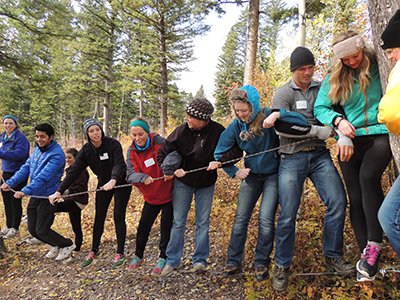
Leadership Summit: Renew You
The Spring 2015 Leadership Summit was a unique experience that provided students with an opportunity to get away from the stress of everyday life and rediscover your passion and inspiration. Participants were challenged to take an introspective look into their personal leadership style and gained a deeper understanding of self and their driving motivations.
2014
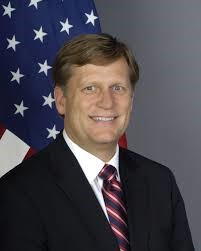
Dr. Michael McFaul

President of PBS: Paula Kerger
Paula Kerger is President and CEO of PBS, the nation’s largest non-commercial media organization with more than 350 member stations throughout the country. Often considered one of television’s most powerful women, Kerger has ushered in over 60 Emmys to the station since taking over in 2006. She visited MSU on the 18th of October and gave a rousing speech to the MSU community.
Leadership Summit: Outdoor Leading, Upward Thinking
The 2014 Leadership Summit provided time for leadership vision activities so that students could think deeply about how their personal vision may also support the greater good. Students will gain an understanding about how to work with diverse teams to solve complex challenges and to be more thoughtful and more durable leaders by learning how to tap into their own excellence as well as the excellence of others.

Shiza Shahid
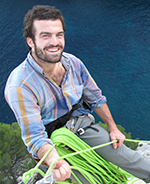
Willy Oppenheim
William Oppenheim, Founder and Director of Omprakash, spoke about his experiences as a scholar, humanitarian, and philanthropist. His lecture explores the critical perspectives on international volunteering and the complex dynamics that underlie any effort to “do good” and “help others.”
2013
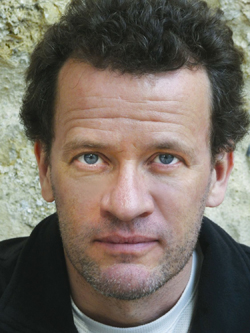
Yann Martel
Yann Martel, author of award winning novel of “Life of Pi”, spoke at the 2013 MSU Convocation. Martel is the author of 6 works of fiction, and the recipient of numerous awards including the Man Booker Prize, the Asian/Pacific American Award for Literature, The MacLennan Prize for Fiction, and the Journey Prize. His most famous work, “Life of Pi”, has sold over 7 million copies in 46 countries, with continued success when it was adapted to film in 2011 by director Ang Lee, garnering 11 Academy Award Nominations.
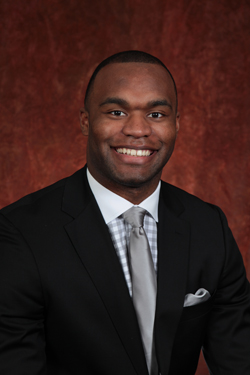
Myron Rolle

Charles Best
Charles Best was an elementary educator who, after teaching in the inner city Bronx for five years, decided that current models of philanthropy in education were simply not getting the job done. His passion to decrease national disparity in classroom tools and funding led him to create his own grassroots company, DonorsChoose, which in 2013 was one of Fast Company’s 50 Most Innovative New Companies.
2012
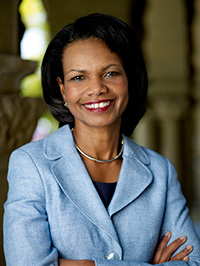
Dr. Condoleezza Rice
On September 5, former US Secretary of State, Dr. Condoleezza Rice addressed an audience of 8000 at Freshman Convocation. Rice served as the 66th U.S. Secretary of State from 2005 to 2009. Dr. Rice is the Thomas and Barbara Stephenson Senior Fellow on Public Policy at the Hoover Institution, based at Stanford and a professor of political science. Her second memoir, "No Higher Honor: A Memoir of My Years in Washington," talks about her years as Secretary of State.

General Wesley K. Clark
On March 5th, retired general Wesley K. Clark gave an inspirational speech to a packed audience. He spoke at length on economics and foreign policy that will have adverse effects on our Nation. Clark also shared with MSU his vision for the future of America and what he believes we must do to maintain a strategic position on the world stage well into the 21st century.

Edward Girardet
On April 17th journalist, international journalist and producer Edward Girardet gave a multimedia presentation and lecture on conflict zones in the Middle East and why they are so often misunderstood. Girardet has reported from numerous humanitarian and conflict zones in Africa, Asia and elsewhere since the late 1970s. As a foreign correspondent for The Christian Science Monitor, US News and World Report, and The MacNeil/Lehrer NewsHour based in Paris, he first began covering Afghanistan several months prior to the Soviet invasion in 1979.
National Geographic
MSU played host to a free public presentation on field research and exploration featuring National Geographic Society Vice President of Research, Conservation and Exploration John Francis; Wildlife Conservation Society conservationist and National Geographic Explorer-in-Residence Mike Fay; and renowned alpinist and The North Face athlete Conrad Anker. This event was part of a stop of on National Geographic’s Young Explorer Grant Writing Workshop tour.
2011
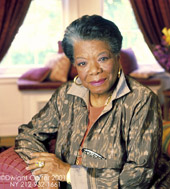
Dr. Maya Angelou
Dr. Maya Angelou gave an inspirational lecture to a packed audience in the MSU Fieldhouse. President Waded Cruzado awarded Dr. Angelou with the Presidential Medal for Freedom. Her speech revolved around issues of human rights, poetry, the power of believing in one's self, and the ability all of us have to affect positive social change.
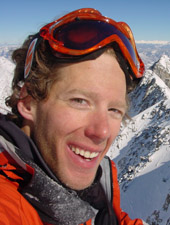
Aron Ralston
In 2003, Ralston was descending a remote Utah canyon alone when a half-ton boulder broke loose, crushing his right hand and pinning him against the canyon wall. Ralston barely escaped by severing his arm below the elbow, rappelling a 65-foot cliff out of the canyon, and trekking seven miles to find his would-be rescuers.
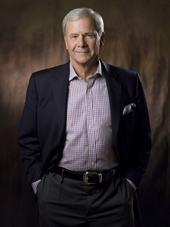
Tom Brokaw
Author and journalist, Tom Brokaw has been the face of national and international news for the past 20 years. Anchor of NBC Nightly News from 1982 to 2004, Brokaw interviewed everyone from the Dalai Lama to Mikhail Gorbachev, including every U.S. president since Lyndon Johnson. In addition, Brokaw was NBC’s White House correspondent during the Watergate scandal and reported from the Berlin Wall during its fall. Brokaw is a native of South Dakota and frequents Livingston, Montana.
2010

Kevin Michael Connolly
Kevin Michael Connolly has been an object of curiosity since the day he was born without legs. He was a 2008 MSU Media and Theatre Arts graduate and in an attempt to capture the stares of others, Connolly traveled to 17 countries on his skateboard and took over 30,000 photographs of people gaping at him. Connolly gave an inspirational and humorous welcome to MSU freshman about his strikingly candid memoir, Double Take.
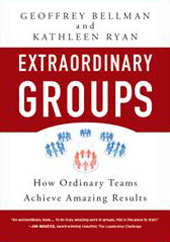
Geoff Bellman
Geoff Bellman worked inside major corporations for 14 years before starting his own consulting firm in 1977. His external consulting has focused on renewing large, mature corporations such as Boeing, Booz Allen & Hamilton, U.S. Bancorp, and Verizon. Guests of the lecture explored their own group experiences to identify personal needs and passions and, in turn, transform an ordinary team into an extraordinary group.
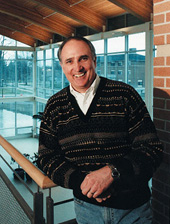
David Orr
Orr is the "Paul Sears Distinguished Professor of Environmental Studies and Politics" at Oberlin College and "James Marsh Professor at Large" for the University of Vermont. He is best known for his pioneering campaign to promote environmental literacy in higher education and his recent work in ecological design. On his home campus at Oberlin College, Professor Orr led the effort to design and build the first substantially green college building in the United States.
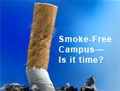
Tobacco Free- What is Best for Montana State University
"Tobacco Free – What is Best for Montana State University?" answered timely questions such as: “Will a tobacco ban hurt MSU's enrollment?” “Doesn't a tobacco ban restrict my rights?” “MSU currently has a smoking policy, why institute an additional policy?” The discussion explored both sides of this important issue at Montana State University, which could potentially affect students, staff, faculty, and even community members. Also investigated throughout the discussion were issues surrounding the purpose of a tobacco-free policy, enforcement of the policy, financial impacts, health benefits, and the current policy in place at Montana State University.
2009
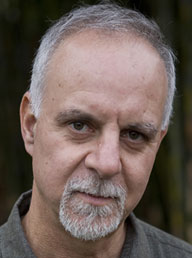
Steve Lopez
Steve Lopez, award-winning Los Angeles Times columnist and author of "The Soloist: A Lost Dream, An Unlikely Friendship, and The Redemptive Power of Music," welcomed back students at the start of the fall semester, with the 2009 MSU Convocation. Lopez discussed the topic of his book; Nathaniel Ayers, a talented violinist and homeless man who suffers from schizophrenia.
Dr. Sharon Parks
Dr. Sharon Daloz Parks greeted an audience with a large representation of MSU student groups during her talk “Calling Forth a New Kind of Leadership”. Parks challenged the traditional thought that leadership skills are an innate gift, with which only some individuals are blessed.
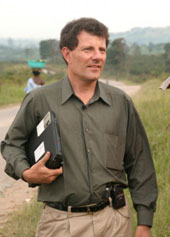
Nicholas Kristoff
More than just a two time Pulitzer Prize-winning columnist, and author of the recently published book, “Half the Sky: Turning Oppression into Opportunity for Women World Wide”, humanitarian Nicholas Kristof presented a moving presentation about the treatment of women in developing countries.
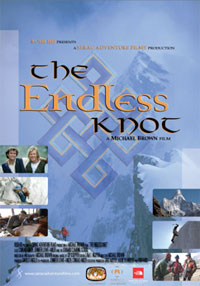
Annual Film Series: “The Endless Knot” (2007)
World renowned alpinist Conrad Anker and author Jennifer Lowe-Anker discussed their life story, as well as introduced adventure filmmaker Michael Brown at the Bozeman premier of his award-winning documentary, “The Endless Knot”. Brown's 57-minute film “The Endless Knot” chronicles the friendship of two men, the love of family, overcoming survivor's guilt and helping others to avoid a similar fate.
2008
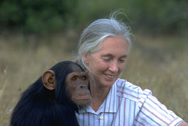
Dr. Jane Goodall
In Spring 2008, Dr. Jane Goodall, world-renowned primatologist, environmentalist and humanitarian, addressed current work at the Gombe Stream Research Center in Tanzania, where research into our closest relative-the chimpanzee-has been ongoing since 1960. As a United Nations Messenger of Peace, Dr. Goodall addressed her reasons for hope in these complex times and ways in which every individual can make a difference every day.
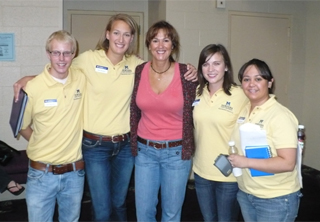
Leadership Summit: How will YOU make the world better?
This year’s Leadership Summit set out to jump-start citizen activism and advocacy by providing leaders the tools, training, and connections necessary to act on their passions, champion causes, generate solutions, and see real change in the world.
Shirin Ebadi
2007
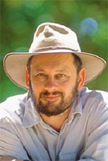
Tim Flannery
Internationally acclaimed scientist, explorer and conservationist Tim Flannery spoke to an audience of over 900 students and community members. He presented a straightforward and powerful explanation of the connection between climate change and human activity. He spoke to his listeners, both personally and politically, about the recognition that we are all "weather makers" and that the only logical and ethical choice is to begin to address the problem before it's too late.
Leadership Improv Workshop
This improv workshop revolved around games and techniques which focus on jump-starting imagination and bringing out important soft skills needed for communication, interviewing, public speaking and more. Offering expert instruction, Kent Davis balanced technical excellence and fun in this exciting program.
2006
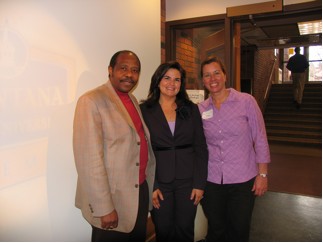
Paul Rusesabagina
Real life hero of the film “Hotel Rwanda” (2004) Paul Rusesabagina spoke to the MSU community. When Rwanda descended into madness, this one man made a promise to protect the family he loved -and ended up saving over 1200 people as a hotel manager in Rwanda. Over the course of 100 days, nearly one million people were killed in Rwanda. Rusesabagina spoke about his personal experience, his ongoing support of Rwanda, the genocide in Darfur and current issues in international humanitarian aid.
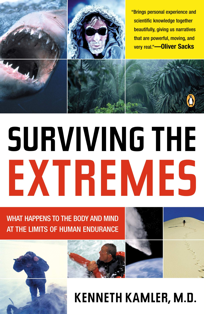
Dr. Ken Kamler
In his multimedia presentation, Dr. Ken Kamler discussed what happens when human bodies are pushed to their limits. By exploring the human body's reactions to heat, cold, pressure, starvation, exhaustion and exposure, he revealed the body's miraculous survival strategies. His lecture took the audience on a scientific nail-biter that goes beyond "reality" TV and proves what survival really entails.